Salt Before a Workout: Quick Summary
This article explains the role of sodium in workouts, why it matters for performance, and how much salt to use pre-workout.
Who is this for?
- Athletes and fitness enthusiasts who sweat a lot during training
- Anyone experiencing cramps, fatigue, or dehydration in workouts
- People curious about electrolytes and pre-workout fueling
Key Takeaways
- Salt vs. sodium: Table salt is 40% sodium and 60% chloride. Sodium is the electrolyte that drives hydration, muscle contraction, and nerve signaling.
- Why pre-workout: Sodium pulls fluid into your bloodstream, supports better pumps, delays fatigue, and helps prevent muscle cramps.
- How much: Aim for 500–1,000 mg of sodium 30–60 minutes before training. Heavy sweaters and endurance athletes may need up to 2,000 mg.
- How to take it: Electrolyte drink mixes, hydration sticks, salt capsules, a pinch of salt in water, or salty whole foods.
- Who benefits most: Heavy sweaters, endurance athletes, anyone training in heat, and people on low-carb or keto diets (which deplete sodium faster).
- Watch out: If you have high blood pressure or kidney issues, talk to your doctor before adding extra sodium.
All our lives, we’ve been told that the American diet is too high in sodium and that it causes high blood pressure.
Everything from Uber Eats to frozen pizza and processed foods is high in sodium. Too much sodium can cause the cells in your body to swell and hold onto fluids.
That's probably why you've heard that sodium is "bad". Well, anything in excess is! That's also why you may feel bloated after having takeout ... your body is holding onto more water!
While it isn’t wrong to “watch your sodium”, it's certainly nothing to obsess over.
Like most things when it comes to our health, it's all about balance! I would also argue that if you are living a healthy lifestyle, watching what you eat, and working out … there's a good chance you may not be getting enough sodium.
Think about it ... if you're eating more fresh foods, prepping meals, and forgoing takeout for dinner every night ... you'll be consuming less sodium. In that case, you wouldn't really be the “average” American.
You’re also losing this precious electrolyte when you’re working out and sweating. This can have a big impact on your performance in the gym. Not getting enough sodium can make you weaker, dehydrated, and more prone to muscle cramping.
That’s why it’s so important to replenish your electrolytes around your workout, and why I wanted to talk about the benefits of using salt before your workouts. I hope this article clears up any confusion and helps you maximize your training!
In This Article:
• The Difference Between Salt & Sodium
• Why Should I Take Salt Before My Workout?
• The Benefits of Using Salt Before a Workout
• How Much Salt Should I Have Before a Workout?
Salt, Sodium … Same Thing. Right?
Are salt and sodium the same thing? Not exactly. Sodium is an electrolyte that falls in the same category as potassium, calcium, magnesium, and phosphate. The electrolytes sodium and potassium are the key players in maintaining a healthy fluid balance in our bodies. Basically, they help make sure our cells are hydrated and happy.
Your body also needs electrolytes to send nerve impulses throughout your body. This helps your muscles contract and relax while helping to maintain the right pH in your blood.
The salt that we use to season our foods is made of about 40% sodium and 60% chloride. About 1 teaspoon equals 2,300 mg of sodium. So, while you may hear the terms “salt” and “sodium” used interchangeably, they aren’t exactly the same.
Why Should I Take Salt Before My Workout?
I’m sure you’ve probably heard about the importance of getting electrolytes after your workouts to help rehydrate your body.
But, by getting sodium pre-workout, rather than getting salt after a workout, you can stay hydrated and reap all the other benefits too!
The Benefits of Using Salt Before a Workout
So, what are the benefits of using salt pre-workout?
Increased Blood Flow
Sodium can increase blood flow by pulling extra fluid into the bloodstream! This can help you push harder for longer during strength training. Plus, you'll get a better muscle pump!
Improve Hydration
Because you lose sodium through sweat, it’s easy to get dehydrated. On average, you lose a little more than 1 liter of water per hour of exercise, and your sweat is approximately 0.1% sodium.
So, you’re losing 1g or more of sodium per hour of exercising! However, salt before your workout can help you stay hydrated and help you retain water, keeping your fluids in balance.
Body Cooling
With better blood flow and circulation comes better cooling and water retention. This can help you work out for longer. Sodium has also been shown to lower your core body temperature and average heart rate during very strenuous exercise.
Something to keep in mind is that everyone is different. Some people just sweat more than others. Depending on body size, exercise demands, and the temperature you’re working out in … you may need more sodium.
Now, I’m not saying to go pound a salty drink right before your daily walk, but for endurance workouts or strength training, this is an easy decision!
How Much Salt Should I Have Before a Workout?
There's no one-size-fits-all recommendation on how much salt before a workout will help your performance. I recommend starting with around 500mg of sodium pre-workout and increasing from there based on your individual needs! If you live in a warmer climate where you sweat more, you may end up using around 2,000mg of sodium.
So really, how much you should take before your workout all comes down to trial and error. It's always better to start with less and work your way up from there.
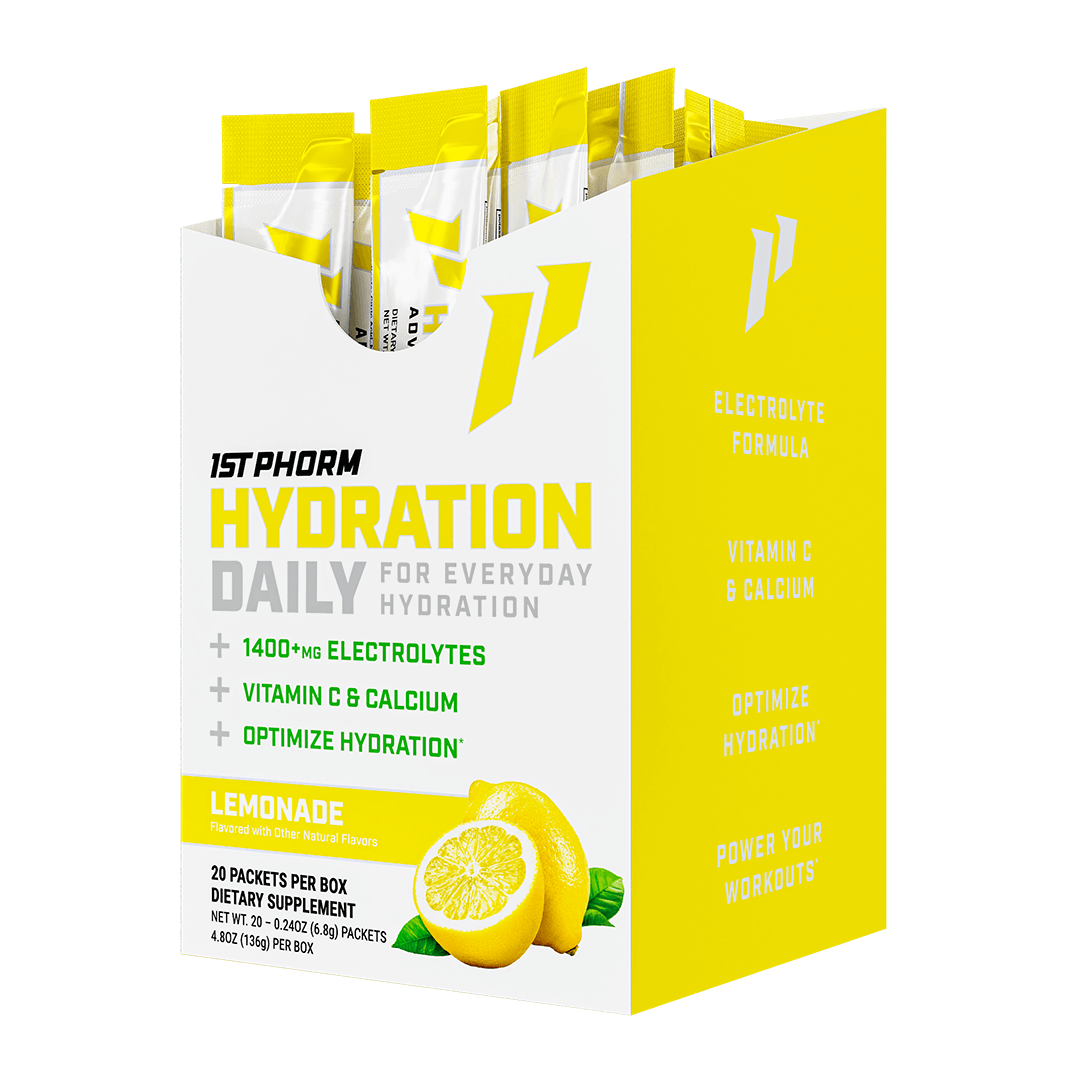
I personally like to keep it simple. To fuel my workouts, I normally use hydration sticks that provide a full spectrum of electrolytes shown to help improve exercise performance. That way, I know I'm getting sodium and all the other electrolytes I need to crush my workouts.
If you have any questions about how to properly fuel your workouts or anything else, don't hesitate to reach out to us! We have a full team of NASM Certified Personal Trainers and Nutrition Coaches right here in St. Louis, Missouri.
Just give us a call at 1-800-409-9732 or send us an email at [email protected]. We're available Monday through Friday from 6 AM to 8 PM Central and Saturday & Sunday from 9 AM to 7 PM Central. We'll be more than happy to help in any way we can!

Frequently Asked Questions
Should you drink salt water before workout sessions?
Yes, for many athletes, choosing to drink salt water before workout sessions is a simple way to top up sodium and improve hydration. Mix about 500 mg of sodium (roughly 1/4 teaspoon of table salt) into 12–16 oz of water 30–60 minutes before training. If you'd rather skip the taste, an electrolyte drink mix does the same job and adds potassium and magnesium.
How long before a workout should I take salt?
About 30–60 minutes before training gives your body time to absorb the sodium and pull fluid into the bloodstream.
Will salt before a workout cause bloating?
A normal pre-workout dose shouldn't cause bloating. Bloating usually happens when sodium intake is excessive or paired with too little water.
Is salt before a workout good for keto or low-carb dieters?
Yes. Low-carb and keto diets cause your body to shed sodium faster, so pre-workout sodium is especially helpful for staying hydrated and avoiding fatigue.
Can I just use a pre-workout instead?
A quality pre-workout like Project 1 already includes sodium along with other performance ingredients, so it can cover both your sodium and energy needs in one scoop.
References:
(1) Plataforma SINC. Salt increases physical performance in resistance competitions. ScienceDaily. 2015.