Our body is a complex system with a lot of moving parts. Properly fueling our bodies with the right food and overall nutrition is very important in getting the results we want.
Being able to properly break down and absorb the foods we take in can be a key to our success, especially when it comes to our health & fitness. If you are like me when I started eating more nutrient-dense or “cleaner” foods, you've realized it can end up being a decent amount of food.
So, to help break down the food we are taking in, and make it more easily digestible, we can look to foods with digestive enzymes for help.
Key Takeaways
- Digestive enzymes help your body break down protein, fat, and carbs so you can actually absorb the nutrients from your food.
- The three main digestive enzymes are proteases, lipases, and amylases.
- Certain whole foods (like pineapple, papaya, and kefir) naturally contain digestive enzymes.
- Cooking and processing can destroy a lot of these enzymes, so raw or fermented versions are best.
- Food-based enzymes offer gentle support. For more targeted help, a digestive enzyme supplement is often a smarter option.
What Are Digestive Enzymes?
Digestive enzymes are proteins that help your body break food down into nutrients you can actually use.
Your body makes most of them naturally (these are called endogenous enzymes), but you can also get them from certain foods and supplements (these are called exogenous enzymes).
There are many enzymes that can benefit your body, but the three main enzymes that can help with digestion are protease enzymes, lipase enzymes, and amylase enzymes.
Where do You Get Digestive Enzymes?
These digestive enzymes can also be found in many everyday foods, in addition to supplements.
What Do Digestive Enzymes Do?
Protease enzymes (sometimes called proteolytic enzymes) take your protein, and break it down into amino acids and small peptides. Proteolytic enzymes foods like pineapple, papaya, and kiwi are some of the best natural sources.

Ideally, Lipase enzymes take the fat you consume, and turn it into triglycerides (three fatty acids and one glycerol molecule) to be used. Lastly, amylase enzymes take the carbs and break those down into simple sugars your body can use.
Check out this article for more information about digestive enzymes.
Here are a few different foods with digestive enzymes that you can consume...
12 Foods With Digestive Enzymes
1. Honey
Honey is one of those things that can go with just about anything. You can drizzle it on your oatmeal, spread it on your toast, take it by the spoonful, or whatever else you can think of.
Honey contains both proteases and amylases, in addition to a few other minor digestive enzymes.
With honey though, it's important to make sure you buy raw honey rather than processed. By doing so, you can give your body extra enzymes that wouldn't otherwise be available if you got the processed option.
2. Pineapples
Rich in protease enzymes, pineapples are full of enzymes that help your body to digest and absorb protein after breaking nutrients down to their building blocks. The main enzyme in pineapple is called bromelain, a powerful proteolytic enzyme that helps break down protein.
You can find pineapples at the grocery store, a farmer’s market, or heck … just go to Hawaii! You don’t have to eat them plain either. Pineapples taste great in smoothies, barbecued, or sliced up in a fruit salad.
3. Avocados

One of the best foods that contain enzymes, or more specifically lipase enzymes, is avocados. Avocados are one of those unique foods that are low in sugar and high in healthy fats. Eating avocados in your day can help ease your body’s digestion efforts.
This is best to do after eating a meal with high-fat content. Avocados are not only rich in lipase enzymes, but they also have polyphenol oxidase enzymes, which help your body continue its natural processes with more ease.
4. Ginger
Ginger is known to move quickly through the body and help with a myriad of digestive issues.
It is rich in proteases, helps with indigestion, and also helps the body to naturally increase its own production of protease and amylase enzymes.
Ginger is also able to help settle the stomach.
5. Kimchi
You may not even know what kimchi is. Kimchi is a Korean dish made of salted and fermented vegetables.
While it may sound a little out of the ordinary, it’s actually a very popular and delicious side dish that can do wonders for the body. Kimchi is rich in proteases, lipases, and amylases.
6. Bananas
Bananas are an excellent source of amylase, an enzyme that helps break down carbohydrates. On top of that, these yellow powerhouses are also packed with potassium and dietary fiber, making them a great addition to your diet.
Bananas are also great to pair with a source of protein for a quick and convenient snack that can help support your digestion.
7. Kiwifruit
If you're a fan of kiwifruit, you may consider eating more of it! Kiwifruit is full of actinidin, a protease enzyme which excels in breaking down proteins. Other than the digestive support that kiwifruit offers, it also has vitamin C and dietary fiber as an added benefit.
8. Mango
Not only are mangoes delicious, but they also contain a good amount of the digestive enzyme amylase to assist in carbohydrate digestion.
I'm personally a huge fan of adding them to a fruity smoothie for the flavor and digestive benefits.
9. Papaya
If you're unfamiliar, papaya is a vibrant orange fruit that can be found in parts of Mexico and South America. This sweet and tangy fruit also has papain, a powerful protease enzyme to help digest protein.
10. Kefir

Kefir is a cultured and fermented milk drink that offers a variety of digestive enzymes, including lactase, which assists in the breakdown of lactose.
But that's not all! Kefir also has probiotics, promoting both digestive health and the absorption of essential nutrients. This probiotic-rich option is a great addition to your diet that can support your gut health and overall well-being.
11. Miso
Miso, the umami-rich Japanese seasoning, has a bunch of different enzymes, including proteases and amylases. If you haven't had it before, I highly encourage it! Miso is a great way to switch up your meals while also contributing to better digestion.
12. Sauerkraut
Sauerkraut is a tangy and crunchy fermented cabbage. It also has protease to aid in protein digestion and promote overall gut health. While it's not my personal favorite, a lot of people love adding it to their dish for the flavor and digestive support.
Do Food Enzymes Actually Survive Cooking and Digestion?
Here's something a lot of people don't realize…
Heat destroys digestive enzymes. Cooking, pasteurizing, or even freezing can denature the enzymes in food, which means they lose their ability to do their job. That's why raw and fermented options tend to be the best food-based sources.
There's also an ongoing debate about whether food enzymes even survive your stomach acid long enough to help with digestion. Some research suggests a portion makes it through to your small intestine intact. Other research argues that most get broken down before they can do much.
The short answer? Food-based enzymes can offer gentle digestive support, but they're not nearly as potent or targeted as a dedicated digestive enzyme supplement.
Get The Digestive Enzymes You Need
I know ... it would be difficult to eat 3 pineapples covered in honey each day, just to get the digestive enzymes you want from them.
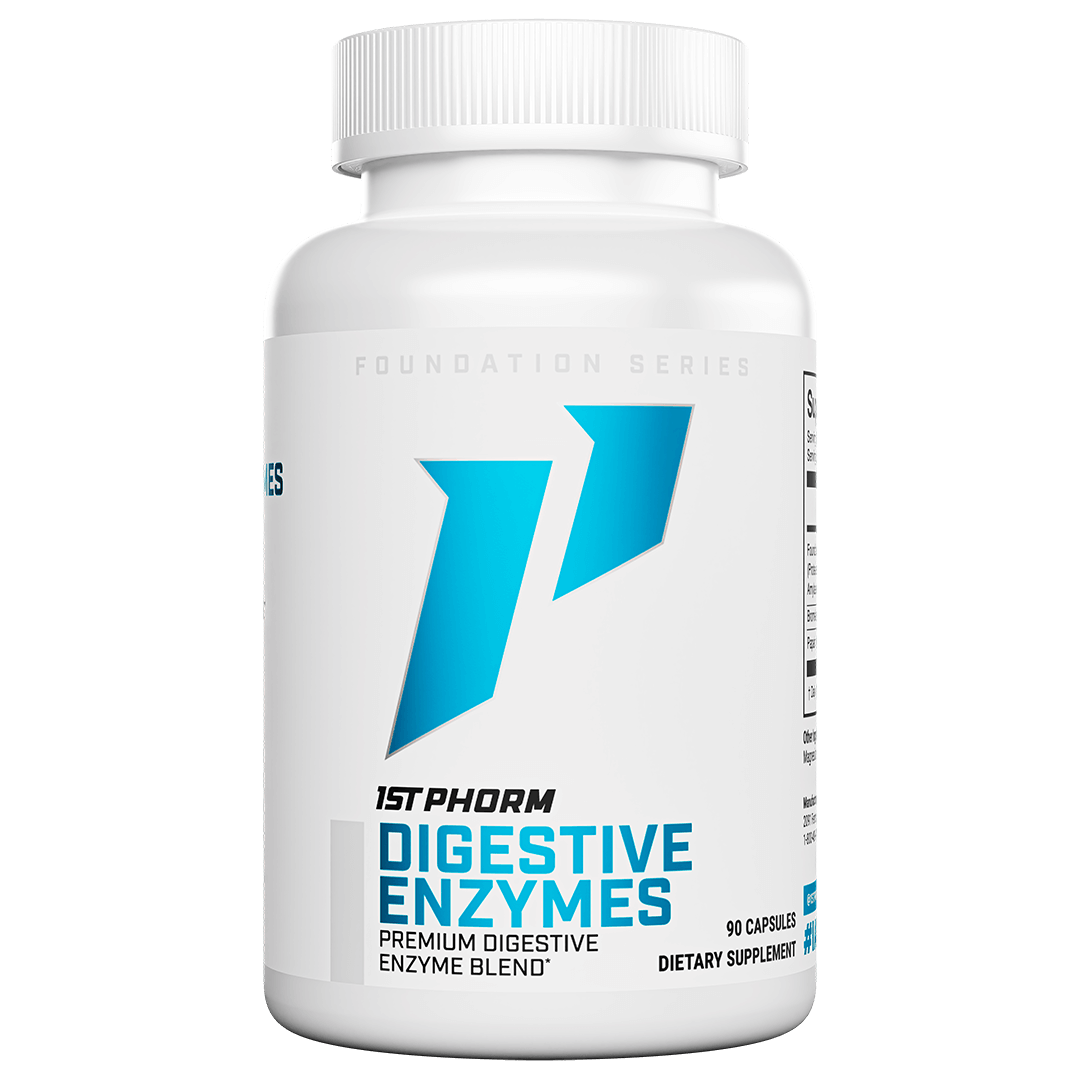
Because of this, supplementing with 1st Phorm Digestive Enzymes can be a great option to get those digestive enzymes you're looking for, without all of the added calories and volume that comes with multiple pineapples and servings of honey.
Just one capsule has a 500mg blend of digestive enzymes that are specifically made to help your body break down and absorb nutrients from the food you eat.
What many people don't realize, is that digestive enzyme deficiency is more common now than ever before.
This means it can be very beneficial to help our bodies get the most out of our food and supplements, by improving our digestion through the digestive enzyme supplements.
That way, we can work to reduce gut or stomach pain, while improving our immune system, nutrient digestion, and nutrient absorption ... simply by supplementing natural digestive enzymes today!
Looking for more ways to optimize your digestion and overall health? Need any help reaching your fitness goals? Download the 1st Phorm App now to get access to a personalized nutrition plan, workout programs, and one-on-one guidance from your own certified advisor in the app!
If there's any way we can help out in the meantime, don't hesitate to reach out! We have a full team of NASM Certified Personal Trainers and NASM Nutrition Coaches you can connect with for FREE! Just give us a call at 1-800-409-9732 or send us an email at [email protected] anytime.

Frequently Asked Questions
What foods are highest in digestive enzymes?
Pineapple, papaya, kiwi, avocado, and fermented foods like kefir, kimchi, and sauerkraut are some of the best natural sources of digestive enzymes.
What are proteolytic enzymes foods?
Proteolytic enzymes foods are foods that contain enzymes that break down protein. The top sources include pineapple (bromelain), papaya (papain), and kiwi (actinidin).
Does cooking destroy digestive enzymes in food?
Yes. Heat denatures most digestive enzymes, so raw or fermented versions of these foods typically offer the most enzymatic activity.
Can I get enough digestive enzymes from food alone?
Food-based enzymes offer gentle support, but you'd have to eat large amounts to get therapeutic levels. For more targeted digestive support, a digestive enzyme supplement is usually more effective.
What are the signs of a digestive enzyme deficiency?
Common signs include bloating, gas, stomach discomfort after meals, undigested food in stool, and difficulty absorbing nutrients.