Coenzyme Q10 (CoQ10) helps your cells produce the energy they need to function. Every heartbeat, muscle contraction, and nerve signal depends on a constant supply of cellular energy, and CoQ10 is part of the process that makes it possible.
Your body naturally produces CoQ10, but levels tend to decline with age and may also be lower in certain health conditions or with certain medications. That’s one reason some people consider taking a supplement.
If you’re wondering whether a CoQ10 supplement is worth adding to your routine or how to choose the best CoQ10 supplement, here’s what the research says.
Key Takeaways
- CoQ10 is a compound your cells use to produce energy and that also acts as an antioxidant.
- CoQ10 has been studied for heart health and fatigue, although the evidence isn’t equally strong for every use.
- Ubiquinone and ubiquinol are the two forms of CoQ10. Both are effective, and taking it with a meal containing fat improves absorption.
- CoQ10 levels naturally decline with age and may also be lower with certain health conditions or medications. Talk with your healthcare provider about whether it's right for you.
As always, consult with your healthcare provider before starting any new supplement or nutrition program, especially if you are pregnant, nursing, taking medication, or have a medical condition. This is particularly important if you take warfarin (Coumadin), since CoQ10 may interact with it.
In This Article:
- What Is CoQ10?
- CoQ10 Benefits
- Ubiquinone vs. Ubiquinol
- Why CoQ10 Declines With Age (and the Statin Question)
- Dosing and Absorption
- How to Choose a Quality CoQ10
What Is CoQ10?
Coenzyme Q10 (CoQ10) is a vitamin-like compound found in nearly every cell of your body. It plays two essential roles: helping your cells produce energy and protecting them from damage caused by free radicals.
Your body naturally makes CoQ10, but levels tend to decline with age. It’s also found in foods like meat, fish, and nuts, although not in amounts that significantly raise CoQ10 levels.
The highest concentrations of CoQ10 are found in organs with high energy demands, such as the heart, skeletal muscles, kidneys, and brain.
CoQ10 and Cellular Energy
Inside your cells are structures called mitochondria, aka the “powerhouses” of the cell. CoQ10 helps the mitochondria produce adenosine triphosphate (ATP), the molecule your cells use for energy. This energy powers virtually every process in your body, from your heartbeat and muscle contractions to brain function.
CoQ10 as an Antioxidant
CoQ10 acts as an antioxidant, helping protect cells from excess free radicals. Free radicals are unstable molecules that form in the body and can damage cells when they build up faster than antioxidant defenses can neutralize them.
CoQ10 also helps regenerate other antioxidants, strengthening your body’s defenses against oxidative stress.
CoQ10 Benefits
CoQ10 research has focused mostly on two areas: heart health and fatigue. Other uses, including fertility and metabolic health, have shown mixed results.
Research has most often looked at CoQ10 for:
- Cellular energy production: its core role in the mitochondria*
- Antioxidant support: helping defend cells against oxidative stress
- Heart health: studied in clinical settings alongside standard medical care
-
Fatigue: with the strongest signals in people who start with low CoQ10 levels
CoQ10 and Heart Health
The heart has some of the highest energy demands in the body, which is why researchers have studied CoQ10 in cardiac patients more than in any other group. A 2024 analysis pooling 33 clinical trials reported that patients receiving CoQ10 alongside conventional medical care saw better outcomes than those receiving standard care alone.
It's worth being clear about what that research does and doesn't tell you. Those trials studied people under active medical treatment, not healthy adults taking a daily supplement. For most people, CoQ10's role is supporting the cellular energy production the heart depends on, not treating a condition.
May Help Reduce Fatigue
Researchers have also studied CoQ10 for fatigue, given its role in cellular energy production. Research suggests the effect shows up most in people who start with low CoQ10 levels, often those managing an ongoing health condition under a provider's care.
The evidence in healthy adults and athletes is less consistent, with some studies reporting benefits and others finding little or no effect.
Other Potential Benefits
CoQ10 has also been studied for statin-associated muscle symptoms, metabolic health, fertility, healthy aging, and certain neurodegenerative conditions. Some studies have reported benefits, but the evidence is less consistent than it is for heart failure and fatigue.
Ubiquinone vs. Ubiquinol
CoQ10 comes in two forms: ubiquinone, the oxidized form, and ubiquinol, the reduced form. Your body naturally converts these two forms back and forth as needed, and both can increase CoQ10 levels.
How the Two Forms Differ
The biggest difference between ubiquinone and ubiquinol is absorption.
|
Ubiquinone |
Ubiquinol |
|
|
Form |
Oxidized form of CoQ10 |
Reduced form of CoQ10 |
|
Blood CoQ10 Levels |
Raises CoQ10 levels, but generally less than ubiquinol |
Typically produces higher blood levels of CoQ10 |
|
Stability |
More stable during manufacturing and storage |
Less stable; requires specialized formulation |
|
Research |
Longest clinical track record |
Newer, but growing body of research |
|
Cost |
Usually less expensive |
Usually more expensive |
Research generally shows that ubiquinol raises blood levels of CoQ10 more than the same dose of ubiquinone. This difference may be more noticeable in older adults, whose ability to convert ubiquinone to ubiquinol may decline with age.
Higher blood levels don’t necessarily mean better health benefits. Most of the long-term studies showing benefits, especially for heart failure, used ubiquinone. Because of that, it’s still unclear whether one form works better than the other.
Which to Choose
For most people, either form is a good choice. Ubiquinone has been studied longer, while ubiquinol generally raises blood CoQ10 levels more. So far, research hasn’t shown that one form consistently provides greater health benefits than the other.
Rather than focusing on the form, choose a high-quality supplement from a reputable manufacturer and a dose that’s appropriate for your needs.
Why CoQ10 Declines With Age (and the Statin Question)
CoQ10 levels naturally decline with age because your body gradually produces less of it. Certain medications, particularly statins, can also lower CoQ10 levels.
Age-Related Decline
Your body naturally makes less CoQ10 as you get older. Since CoQ10 levels decline with age, researchers have studied whether supplementation may benefit some older adults.
However, lower CoQ10 levels are a normal part of aging and don’t exactly mean you need a supplement. Whether CoQ10 is right for you depends on your overall health, any medications you take, and your healthcare provider's recommendations.
The Statin Conversation: Talk to Your Provider
Statin medications lower cholesterol by blocking the same pathway your body uses to make CoQ10. People taking statins often have lower blood levels of CoQ10, but it’s not confirmed whether lower CoQ10 levels are responsible for statin-associated muscle symptoms.
Clinical trials have looked at whether CoQ10 makes a difference for these symptoms, with mixed results. Some report improvement, others find little or no effect. There's no consensus.
If you develop muscle symptoms while taking a statin, don’t stop taking the medication on your own. Talk with your doctor about your symptoms and whether CoQ10 supplementation is appropriate for you.
Dosing and Absorption
CoQ10 is fat-soluble, so it’s best absorbed when taken with a meal that contains some fat. Research suggests 30 to 100 mg per day is a reasonable range for healthy adults, and many supplements land at 100 mg per serving., although the right dose depends on your health needs and the reason you're taking it. Follow the dose on your product label and check with your provider.
Taking It With Food
Because CoQ10 dissolves in fat rather than water, taking it with a meal that includes some fat, especially one rich in healthy fats like nuts, seeds, avocado, olive oil, or salmon, can improve absorption.
Because CoQ10 isn’t absorbed well on its own, it’s often formulated with oils or other ingredients to improve absorption. Enhanced-absorption products may be less dependent on food, but most standard CoQ10 supplements are still best taken with a meal that contains some fat.
Typical Dosing Ranges
There isn’t a single recommended dose of CoQ10.
One study suggests that 30 to 100 mg per day is a reasonable range for healthy adults, and many supplements provide 100 mg per serving.
Higher doses have been studied for specific medical conditions, but they should only be used under the guidance of a healthcare provider.
How to Choose a Quality CoQ10
Look for a clearly labeled dose, either ubiquinone or ubiquinol, third-party testing, and a softgel or oil-based formulation.
What to Look for on the Label
When choosing a CoQ10 supplement, look for:
- Ubiquinone or ubiquinol: Both are effective forms of CoQ10.
- An appropriate dose: For general wellness, 100 mg is a common dose found in many supplements. If you’re taking CoQ10 for a medical condition, follow your healthcare provider's dosing recommendations.
- Third-party testing: Look for supplements that have been independently tested to help verify label accuracy, potency, and purity.
- A softgel or oil-based formula: These formulations are generally better absorbed than standard tablets.
Fitting CoQ10 Into a Daily Stack
CoQ10 can generally be taken alongside most daily vitamins and minerals. For convenience, take it with fat-soluble vitamins like A, D, E, and K at the same meal.
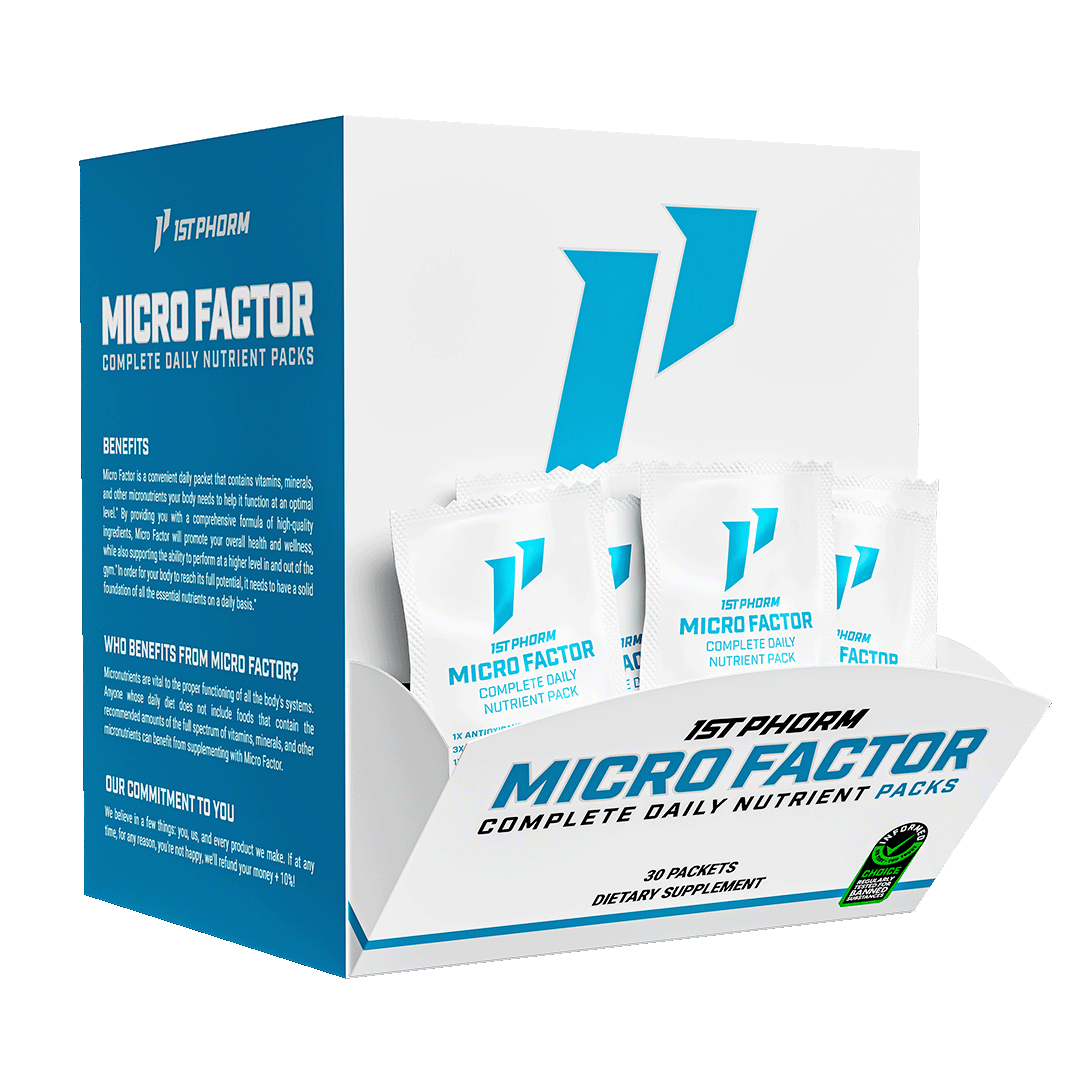
Products like Micro Factor include CoQ10 alongside a multivitamin, omega-3, antioxidants, probiotics, and other foundational nutrients, making it easy to incorporate CoQ10 into a daily routine.*
If you’re pregnant, breastfeeding, managing a chronic health condition, or taking prescription medications, talk with your doctor before starting CoQ10 (or any dietary supplement).
Conclusion: Best CoQ10 Supplement
CoQ10 is a naturally occurring compound that helps your cells produce energy and protect against oxidative damage. Although your body makes its own CoQ10, production gradually declines with age. CoQ10 supplements are generally considered safe and may be appropriate for some people, depending on their age, health conditions, medications, and individual needs.
If you choose to take CoQ10, look for a product that contains either ubiquinone or ubiquinol, provides an appropriate dose, and has been third-party tested for quality. Because CoQ10 is fat-soluble, take it with a meal that contains some fat to improve absorption.
If you’d rather not add another standalone supplement, 1st Phorm Micro Factor includes a 100 mg CoQ10 softgel alongside a multivitamin, omega-3, antioxidant, probiotic, and other daily nutrients. It’s an easy way to include CoQ10 in your daily supplement routine, but check out the full 1st Phorm daily vitamins collection to find the best fit for you.
FAQs
What is the best CoQ10 supplement?
The best CoQ10 supplement comes from a reputable manufacturer, has been third-party tested for quality, and is formulated for good absorption. Both ubiquinone and ubiquinol are effective, so the overall quality of the product is generally more important than choosing one form over the other.
What does CoQ10 do?
CoQ10 helps your cells make energy and protects them from oxidative damage. These two roles are especially important in organs with high energy demands, including the heart, muscles, brain, liver, and kidneys.
Is ubiquinol better than ubiquinone?
Ubiquinol is generally better absorbed than ubiquinone, especially in older adults, but higher blood levels haven’t consistently led to better health outcomes. For most people, the quality and formulation of the supplement matter more than whether it contains ubiquinol or ubiquinone.
When should you take CoQ10?
Take CoQ10 with a meal that contains fat to help improve absorption. There’s no clear evidence that morning or evening is better, so the best time is whenever you’re most likely to take it consistently. If you’re taking a higher dose, your healthcare provider may recommend splitting it into two doses.
Does CoQ10 give you energy?
CoQ10 helps your cells produce energy, but it isn’t a source of energy like the calories you get from food or a stimulant like caffeine. It may help reduce fatigue, particularly in people with lower CoQ10 levels or certain medical conditions. However, it hasn’t consistently been shown to increase energy levels or improve exercise performance in healthy adults.
Should you take CoQ10 with a statin?
Although statins lower CoQ10 levels, studies haven’t shown that everyone taking a statin benefits from CoQ10 supplementation, and it isn’t routinely recommended. If you develop muscle pain, cramps, or weakness while taking a statin, talk with your healthcare provider. Don’t stop your medication on your own.
How much CoQ10 should you take?
For general wellness, 100 mg of CoQ10 per day is a common dose. Higher doses may be used for specific health conditions, but the right amount depends on why you’re taking CoQ10 and should be determined with your healthcare provider. Unless directed otherwise, follow the dosing instructions on your supplement label.
*These statements have not been evaluated by the Food and Drug Administration. This product is not intended to diagnose, treat, cure, or prevent any disease.