When to take zinc, morning or night? The bottle says to take it with food, but a quick internet search tells you to take it on an empty stomach. So which is it?
The short answer: the time of day matters much less than what’s in your stomach. And, for most people, zinc can be taken in the morning, night, or even afternoon, whichever you’re most likely to remember.
The real question is whether you tolerate zinc better with food, and whether you’re taking it alongside foods or supplements that can interfere with its absorption. Here’s exactly what to know.
Key Takeaways
- Zinc can be taken in the morning or at night. What matters more is taking it with food, since zinc on an empty stomach commonly causes nausea.
- High-dose iron and calcium supplements, along with phytate-rich foods like whole grains and legumes, can reduce how much zinc you absorb.
- Long-term, high-dose zinc supplementation can reduce copper absorption, which is why it’s important to follow the label directions.
- If your multivitamin already contains zinc, the timing is largely taken care of, and you should follow its instructions.
As always, consult with your healthcare provider before starting any new supplement or nutrition program, especially if you are pregnant, nursing, taking medication, or have a medical condition.
In This Article:
- When Should You Take Zinc: Morning or Night?
- Should You Take Zinc With Food or On an Empty Stomach?
- What Interferes With Zinc Absorption?
- The Case for Taking Zinc at Night
- The Case for Taking Zinc in the Morning
- Zinc and Copper: Why the Balance Matters
- What If Zinc Is Already in Your Multivitamin?
- The Final Dose on Zinc Timing
When Should You Take Zinc: Morning or Night?
Either time works. Zinc absorption isn’t meaningfully affected by the time of day. Instead, what matters most is whether you take it with food and what other supplements or medications you’re taking alongside it.
The Short Answer
Morning or night both work, but taking zinc with a meal or snack reduces the risk of an upset stomach. Ultimately, though, choose a time you’ll remember to take it consistently.
Why the Timing Question Is the Wrong Question
The general case for morning vs night comes down to this: the time on the clock matters much less than whether you’ve eaten and what you’re taking alongside your zinc.
These questions generally matter more:
- Are you taking zinc with a meal or on an empty stomach?
- Does taking zinc without food upset your stomach?
- Are you taking it alongside calcium or iron supplements, which can reduce zinc absorption?
Should You Take Zinc With Food or on an Empty Stomach?
Zinc is absorbed better on an empty stomach, but because it commonly causes nausea, taking it with a light meal is often the more practical choice.
The Absorption vs. Tolerance Tradeoff
Zinc is absorbed better on an empty stomach. Certain foods and nutrients, including phytates found in whole grains and legumes, can reduce how much zinc your body absorbs (more on those in the next section).
But absorption isn’t the only consideration. Zinc can cause nausea when taken without food, so the “best” time to take it isn’t always when your body absorbs it most.
If zinc upsets your stomach, try taking it with a light meal or snack instead. You may absorb less zinc, but you’ll be much more likely to tolerate it, and consistently taking your supplement usually matters more than squeezing the most out of any single dose.
The same tradeoff shows up across the supplement shelf. Here's the fuller picture on taking supplements on an empty stomach.
Why Zinc Causes Nausea
Zinc can irritate the stomach lining, especially when taken on an empty stomach or in higher doses. Nausea is one of the most common complaints, and stomach pain and vomiting can also occur.
The Practical Middle Ground
Tolerate zinc on an empty stomach? There’s no need to change your routine. But for most people, taking zinc with a light meal may be easier on the stomach.
I also remind people that practical is often better than optimal. A lower absorption rate is usually a worthwhile tradeoff if it means you can take your zinc regularly without feeling sick.
The form on your label matters too. Zinc picolinate, gluconate, and citrate are all common in supplements, and people don't tolerate them identically. If one form consistently bothers your stomach, trying a different form is worth doing before you give up on the timing question altogether.
What Interferes With Zinc Absorption?
Phytates in whole grains and legumes, along with high-dose iron and potentially calcium supplements, can reduce zinc absorption.
Phytates in Grains and Legumes
Phytates are naturally found in whole grains, legumes, nuts, and seeds. They bind to zinc in the digestive tract, so your body absorbs less of it. That’s why you may have heard phytates referred to as an “anti-nutrient.”
Interestingly, many of these same foods also contain zinc. The difference is that zinc from plant foods tends to be less bioavailable because phytates reduce how much your body absorbs. If most of your zinc comes from plant-based foods, you may need a little more zinc in your diet or, in some cases, a supplement.
And to be clear… I don’t think this means you should throw out your whole grain bread, black beans, and chickpeas from your pantry. Whole grains and legumes offer fiber, vitamins, minerals, and other beneficial nutrients. It’s simply something to keep in mind if you’re trying to increase your zinc intake.
Iron at High Doses
Iron can also interfere with zinc absorption, but this is mainly an issue with high-dose iron supplements taken at the same time as zinc. It's a good example of how minerals compete for absorption. Because many foods naturally contain both minerals, this interaction isn't considered a major concern in the context of a typical mixed diet.
If you take both iron and zinc supplements, ask your healthcare provider whether it's best to take them at different times of the day.
Calcium and Dairy
If you’ve searched “what not to take with zinc,” you’ve probably seen calcium top the list. But the research is a little more nuanced than that.
Most of the concern traces back to a small number of studies using fairly large calcium doses. In one study, older women who added about 470 mg of calcium a day, from milk or a supplement, absorbed about 2 mg less zinc a day. In the same study, a calcium supplement taken with a meal cut zinc absorption from that meal in half. If you take a calcium supplement, take it at a different time than your zinc.
If taking zinc with your shake or a glass of milk is what helps you remember it, that’s still better than skipping it. Meeting your zinc needs is probably more important than avoiding dairy around the time you take your supplement.
The Case for Taking Zinc at Night
There’s one practical argument for taking zinc at night: if it tends to upset your stomach, dinner may be the easiest meal to take it with.
If Zinc Upsets Your Stomach
If zinc tends to make you nauseated, taking it with dinner can make it easier to tolerate. It’s likely the meal, not the time of day, that makes the difference, but dinner is often the easiest opportunity to take zinc with food.
If Evenings Fit Your Routine Better
If you skip breakfast, practice intermittent fasting, or have rushed mornings, dinner may simply be the easiest time to remember your zinc.
The Case for Taking Zinc in the Morning
If mornings fit your routine and help you take zinc consistently, it’s a perfectly good time to take it.
If Mornings Are When You’re Most Consistent
Morning routines are often predictable and on autopilot. Pairing zinc with an existing habit, like breakfast or your post-workout smoothie, can make it easier to remember.
If You Already Take Your Supplements in the Morning
Already take other supplements and medications with your breakfast? Add zinc to your morning routine. Just be cautious of potential interactions, such as with high-dose iron and certain antibiotics.
Zinc and Copper: Why the Balance Matters
Long-term, high-dose zinc intake can reduce copper absorption, which is why it’s important to follow your supplement’s label directions.
How Zinc Affects Copper
Zinc and copper share overlapping absorption pathways in the intestines.
Taking high doses of zinc over long periods can reduce how much copper your body absorbs, which is why these doses should only be used under the guidance of a healthcare provider.
Why Label Directions Matter Here
Fortunately, this is easy to avoid. For most people, staying at or under 40 mg a day from all sources, the upper limit NIH sets to protect copper levels, keeps that risk low.
What If Zinc Is Already in Your Multivitamin?
If your multivitamin contains zinc, there’s usually no need to overthink timing or nutrient combinations. Simply take it as directed, and you’re covered.
Balanced Formulas
Here’s what to know about multivitamins in a nutshell: Most high-quality multivitamins are designed to help fill common nutrient gaps without providing excessive amounts of individual vitamins or minerals. This includes nutrients like zinc, which can cause problems when taken in high doses over long periods.
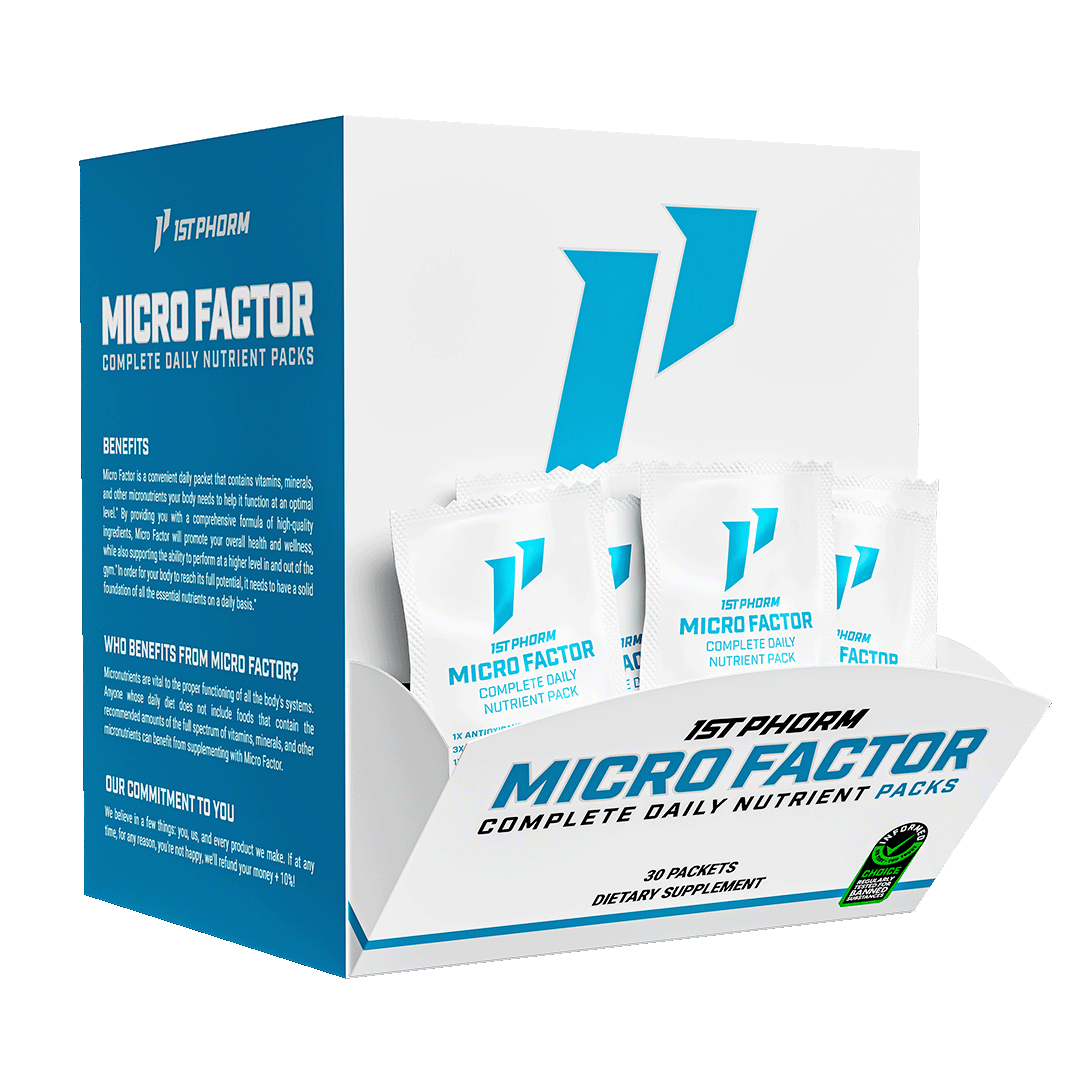
That’s the approach used by 1st Phorm Micro Factor, which provides zinc as part of a broader daily nutrient pack rather than relying on a high-dose standalone zinc supplement.*
Avoiding Accidental Double-Dosing
Before adding a zinc supplement, check the Supplement Facts label on your multivitamin and any other products you’re taking. Zinc is commonly found in immune support supplements and over-the-counter cold remedies, so you may be getting more than you realize.
The Final Dose on Zinc Timing
If there’s one thing I hope you take away from this article, it’s this: practicality often matters more than finding the “perfect” time to take zinc.
Yes, absorption matters. But so does taking it consistently. If taking zinc with breakfast, dinner, or your morning protein shake means you’ll actually remember it, and it doesn’t upset your stomach, that’s probably the right time for you.
If you’re looking for a convenient way to fill nutritional gaps in your diet, 1st Phorm Micro Factor includes zinc as part of a daily nutrient pack. Also explore our vitamins and minerals lineup for more targeted support.
If you have any questions in the meantime, don't hesitate to reach out. We have a full team of NASM Certified Personal Trainers and Nutrition Coaches right here in St. Louis, Missouri.
Just give us a call at 1-800-409-9732 or send us an email at [email protected]. We're available Monday through Friday from 6 AM to 8 PM Central and Saturday & Sunday from 9 AM to 7 PM Central.
We'll be more than happy to help in any way we can!
Frequently Asked Questions
Should you take zinc on an empty stomach?
You can take zinc on an empty stomach, but you generally don’t have to. Taking zinc on an empty stomach may improve absorption but also increase the risk of nausea. Taking it with a meal or snack tends to increase tolerance.
Why does zinc make me nauseous?
Zinc may make you nauseous because it can irritate the lining of your stomach, especially when taken on an empty stomach or in higher doses.
Can you take zinc and magnesium together?
Yes, you can generally take zinc and magnesium together. However, very high doses of zinc may reduce magnesium absorption, so stick with the recommended dose unless instructed otherwise.
How much zinc is too much?
The National Institutes of Health Office of Dietary Supplements sets the tolerable upper intake level for zinc from food and supplements at 40 mg per day for most adults. That's general reference guidance, not a personal recommendation. Follow the directions on your product label, and talk with your healthcare provider about what's right for you.
Can you take zinc every day?
Yes, you can take zinc every day if you’re following the recommended dose. However, taking high-dose zinc supplements for long periods can interfere with copper absorption, so it's best to stay within 40 mg per day unless your healthcare provider advises otherwise.
*These statements have not been evaluated by the Food and Drug Administration. This product is not intended to diagnose, treat, cure, or prevent any disease.