If you’re online, you’ve probably seen ads for metabolism booster supplements that promise to speed up your metabolism and help you “melt” fat.
While some ingredients in these products may have a small effect on calorie burn, the impact is far less significant than it’s often made out to be. They also play a much smaller role than lifestyle factors like strength training, protein intake, and overall daily activity when it comes to meaningfully influencing metabolism.
In this guide, we’ll break down what actually influences metabolism, what metabolism boosting supplements can (and can’t) do, and how thermogenics realistically fit into a fat-loss plan.
Key Takeaways
- No supplement “boosts” metabolism dramatically. Muscle mass, protein intake, daily movement, and sleep do the heavy lifting.
- A few ingredients (caffeine, green tea/EGCG, capsaicin) have modest, real thermogenic support; expect a small assist, not a transformation.
- Thermogenics work best alongside a sustainable calorie deficit and strength training, not in place of them.
- Stimulant thermogenics aren’t for everyone; mind your total caffeine and talk to your provider if you’re sensitive or on medication.
As always, consult with your healthcare provider before starting any new supplement or nutrition program, especially if you are pregnant, nursing, taking medication, or have a medical condition.
Table of Contents
- What Does It Mean to “Boost” Metabolism?
- Do Metabolism Booster Supplements Actually Work?
- How Thermogenics Fit Into a Fat-Loss Plan
- Safety & Who Should Be Cautious
What Does It Mean to “Boost” Metabolism?
Your metabolism is the sum of the calories you burn at rest (BMR) plus movement, digestion, and activity. The biggest levers are muscle mass and daily activity, not supplements.
BMR, NEAT, TEF explained
Your total daily energy expenditure (TDEE) is the total number of calories your body burns daily. Your TDEE is primarily composed of:
- Basal metabolic rate (BMR): BMR is the energy required to maintain vital bodily functions, like heartbeat and breathing, while at rest. BMR makes up around 60–70% of your TDEE and is impacted by factors including muscle mass, gender, diet, and age.
- Thermic effect of food (TEF): TEF is the energy your body uses to digest, absorb, and process the food and drinks you consume. It accounts for about 10% of your daily calorie burn.
- Non-exercise activity thermogenesis (NEAT): NEAT is the calories you burn through everyday activities like doing chores, shopping, walking around the house, and fidgeting. It accounts for about 6% to 10% of TDEE in sedentary people, but can make up 50% or more in those who are highly active.
In addition to BMR, TEF, and NEAT, intentional exercise, such as going to the gym to lift weights or going for a run, also contributes to your daily total calorie burn.
What actually moves the needle
When it comes to increasing your metabolic rate, there are only a few proven ways to significantly increase the number of calories your body burns each day. While many supplements claim to “speed up” your metabolism, research shows that the biggest drivers of metabolism are building and maintaining muscle mass and staying physically active.
Muscle tissue burns more calories than fat tissue, so increasing your muscle mass can raise your resting metabolic rate over time. Regular exercise and simply moving more throughout the day by sitting less, taking the stairs, or doing household chores can also significantly increase your daily calorie burn. Even something as simple as walking for fat loss adds up over time.
Your diet plays a role, too, though the effect on your metabolic rate is smaller. For example, eating more protein can slightly increase the number of calories you burn because protein requires more energy to digest than carbohydrates or fat. However, this increase is modest compared to the impact of muscle mass and daily physical activity.
Do Metabolism Booster Supplements Actually Work?
Some ingredients provide a modest, measurable thermogenic effect, but no supplement meaningfully ‘boosts’ metabolism on its own. The effect is small and only useful alongside the basics.
Ingredients With Real Evidence
Caffeine, green tea catechins (EGCG), and capsaicin are the thermogenic ingredients with the most supporting research, though the effects are modest.
|
Ingredient |
What it supports |
Evidence strength |
|
Caffeine |
A small, temporary rise in energy expenditure and calorie burn (~3–11%) |
Moderate; Most consistent human evidence, but the effect is small and short-lived |
|
Capsaicin |
A slight increase in resting metabolic rate and fat oxidation |
Limited; Little standalone impact on weight |
|
Green tea / EGCG |
A modest increase in energy expenditure and fat oxidation, especially paired with caffeine |
Modest; Real but small and variable across studies |
- Caffeine: Caffeine has been shown to increase energy expenditure. By stimulating the central nervous system, studies have shown that caffeine can temporarily increase the calories you burn at rest by about 3% to 11%, depending on the dose of caffeine and the individual. However, the effect is small and temporary.
- Capsaicin: Capsaicin, the compound that gives chili peppers their heat, may slightly increase resting metabolic rate and calorie burning by promoting fat oxidation. However, studies suggest the effect is small and unlikely to have a meaningful impact on weight loss on its own.
- Green tea / EGCG: Green tea contains caffeine and the catechin EGCG, which may slightly increase energy expenditure and fat burning. While some studies have found that high-dose green tea extract and EGCG supplements can boost daily calorie burn, this increase isn’t as significant as putting on muscle mass or increasing activity levels. For a closer look at how green tea and thermogenesis interact, see our full breakdown.
Why marketing oversells
As you’ve probably noticed online, many metabolism supplements are marketed as a way to "rev up" your metabolism and “melt” fat. However, these claims exaggerate scientific findings in order to sell more supplements.
In reality, while specific doses of certain compounds, like caffeine and EGCG, may slightly increase calorie burn, these effects don't translate into significant weight loss on their own.
Instead, evidence-based strategies like building and maintaining muscle mass and increasing overall physical activity are more effective for improving metabolic rate.
How Thermogenics Fit Into a Fat-Loss Plan
Thermogenics, or supplements that stimulate your metabolism, are a small assist that work best on top of a sustainable calorie deficit, adequate protein, strength training, and good sleep.
The protein + muscle foundation
As mentioned earlier, building and maintaining muscle mass is one of the most important and effective ways to support a healthy metabolic rate.
Eating more protein, which takes more energy to digest, can also help to slightly increase calorie burn. Plus, a higher-protein diet can help you build more muscle when combined with resistance training.
Where a thermogenic adds value
Adding a thermogenic supplement will not make a substantial impact on your metabolic rate or weight loss, especially if you’re not focusing on putting on muscle mass, following a protein-rich diet, and engaging in regular physical activity.
Using supplements with ingredients like caffeine, green tea extract, and capsaicin, may slightly increase your overall calorie burn or fat oxidation, but these effects are very small compared to tried and true strategies like packing on more muscle.
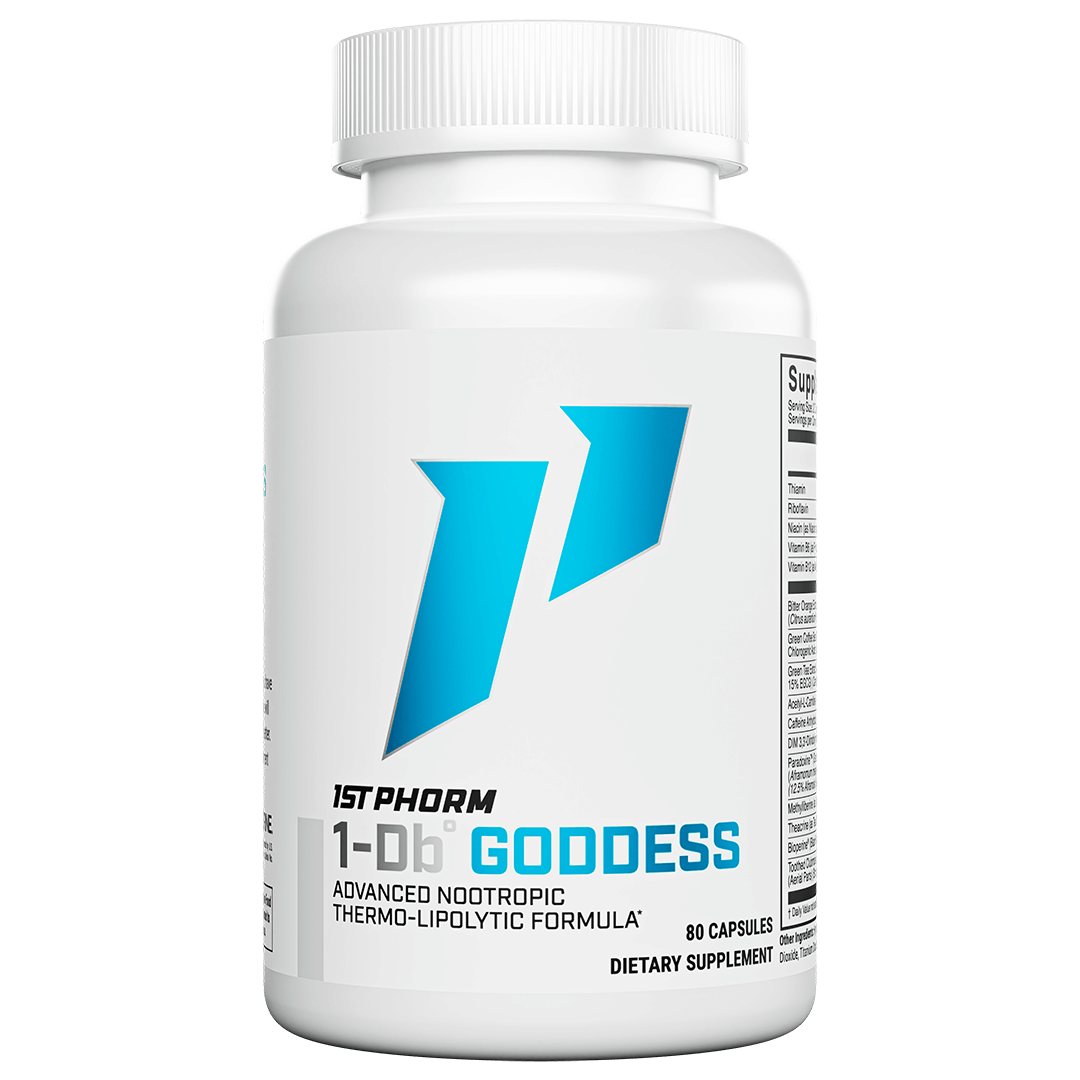
If the foundations are already in place, a thermogenic like this 24-hour weight loss stack can add a modest assist with energy and thermogenesis during a fat-loss phase.*
So, while thermogenics may offer a small supportive boost to calorie burn, they can’t replace diet, training, and lifestyle habits.
Safety & Who Should Be Cautious
Stimulant thermogenics can affect heart rate and sleep; track total caffeine, avoid late-day dosing, and talk to your provider if you’re sensitive, pregnant, nursing, or on medication.
If you’re interested in taking a stimulant-based thermogenic, like those containing caffeine, it’s essential to be aware of potential side effects and safety issues. For example, certain populations are more vulnerable to the negative effects of caffeine, including pregnant and lactating women, teens, and people with underlying health issues, such as mental illness and heart conditions.
It’s also important to know that some people are more sensitive to the stimulating effects of caffeine, and may notice sleeping issues, anxiety, and nervousness when they take supplements containing caffeine. Caffeine intake can add up quickly, especially if you’re taking in coffee, tea, energy drinks, and supplements, so it’s important to track your total daily intake and avoid taking stimulant products later in the day to avoid sleep disturbances.
If you’re unsure whether a stimulant thermogenic is safe for you, it’s best to speak with a healthcare provider.
Conclusion
If you’re looking to boost your metabolism, it’s important to know there is no shortcut. No supplement can meaningfully increase daily calorie burn on its own.
The most effective ways to support metabolic rate are building and maintaining muscle, staying active, and eating a high-protein, nutrient-dense diet.
While thermogenic supplements like caffeine, green tea extract, and capsaicin may slightly and temporarily increase energy expenditure, they are unlikely to produce meaningful changes in body composition without consistent lifestyle habits such as strength training and increased daily activity.
If you’d like to use products like the 24-Hour Weight Loss Stack for Women, they are best thought of as optional support rather than the foundation of a fat-loss and metabolism-boosting plan. If a thermogenic fits your plan, you can browse 1st Phorm's fat burners to find one.
FAQs
Do metabolism boosters actually work?
Most metabolism booster supplements have only a small effect on overall calorie burn. Some ingredients, like caffeine, may slightly increase energy expenditure, but they won’t lead to significant fat loss on their own.
What is the best supplement to boost metabolism?
There is no “best” supplement for boosting metabolism. Some compounds, like caffeine, EGCG, and capsaicin, may have a small impact, but their effects are minor compared to diet and exercise.
Can you speed up a slow metabolism?
By increasing muscle mass, staying active, and focusing on increasing protein intake, you can improve your metabolism.
What foods boost metabolism?
Increasing your intake of protein-rich foods, like poultry and fish, boosts the calories you burn because they take more energy to digest. Some other foods, like spicy foods, may also slightly impact calorie burn, but the effects are small.
Is caffeine good for metabolism?
Caffeine can temporarily increase calorie burn by a small amount, but the effect is temporary and variable.
How can women boost metabolism after 40?
Increasing muscle mass, engaging in daily physical activity like strength training, and taking in higher amounts of protein are the most effective ways to support metabolism after 40.
*These statements have not been evaluated by the Food and Drug Administration. This product is not intended to diagnose, treat, cure, or prevent any disease.