As we age, our nutritional needs begin to shift. For women over 40, hormonal changes, a decline in muscle mass, and changes in bone health can all affect the nutrients your body needs to feel and perform at its best.
While a balanced diet can help you meet most of your nutrient needs, you may not be able to cover all of your bases through food alone. Targeted supplementation can help fill nutritional gaps and support healthy aging.
Here are some of the best supplements for women over 40 and how they can support your overall health and wellness.
Key Takeaways
- The best supplements for women over 40 still start with the same foundation: a women’s multivitamin, vitamin D with K2, magnesium, omega-3, and enough protein, with a few stage-specific additions.
- Protecting muscle and bone becomes a priority: protein, creatine, calcium, vitamin D, and strength training work together.
- During the perimenopausal transition, some women add targeted support; keep expectations realistic and talk to your healthcare provider.
- Choose quality over quantity. A solid foundation beats a cabinet full of single-ingredient pills.
As always, consult with your healthcare provider before starting any new supplement or nutrition program, especially if you are pregnant, nursing, taking medication, or have a medical condition.
Table of Contents
- Why Supplement Needs Change After 40
- The Foundational Stack for Women Over 40
- Protecting Muscle and Bone
- Support for the Hormonal Transition
- Energy, Sleep, and Stress
- How to Choose Quality (and Avoid Over-Supplementing)
Why Supplement Needs Change After 40
After 40, shifting hormones, alterations in nutrient absorption, and the need to protect muscle and bone change which supplements matter most.
Hormonal and absorption changes
As women enter their 40s, hormonal changes can affect their nutritional needs. During perimenopause, the transitional period leading up to menopause, fluctuating estrogen and progesterone levels influence metabolism, muscle mass, bone density, appetite, and body composition, making nutrition more important than ever.
Research suggests that prioritizing protein, calcium, and vitamin D during this stage may help preserve lean muscle mass and support bone health. Protein and fiber can also help promote fullness and help support a healthy body composition as hormonal changes affect metabolism and appetite.
Absorption shifts too. Vitamin B12 arrives in food bound to protein, and it takes stomach acid to break that bond before your body can use it. Somewhere between 10% and 30% of older adults develop atrophic gastritis, which is a thinning of the stomach lining that reduces acid production. When acid runs low, B12 from meat, eggs, and dairy passes through largely unabsorbed even when intake looks adequate on paper.
The B12 in fortified foods and supplements skips that first step entirely, since it isn't protein-bound to begin with. That's part of why filling gaps with a supplement gets more practical, not less, as you move through your 40s and beyond.
Muscle and bone priorities
Due to age-related changes in muscle and bone health, it’s essential for women to prioritize protein.
As estrogen levels decline through perimenopause, bone turnover speeds up, and bone density can drop more quickly than it did in your 30s. Calcium, vitamin D, and vitamin K2 all play essential roles in maintaining bone health, and falling short on them makes it harder to hold onto the bone you have.
Getting enough protein also helps support muscle health through perimenopause and menopause.
Loss of muscle mass and strength is more common with age as a result of reduced physical activity, age-related muscle loss, and inadequate protein intake.
For some women, supplementation may be necessary to help meet daily needs and support bone and muscle health.
The Foundational Stack for Women Over 40
While individual needs vary, a women's multivitamin, vitamin D3 with K2, magnesium, omega-3s, and adequate protein provide a strong nutritional foundation for many women over 40.
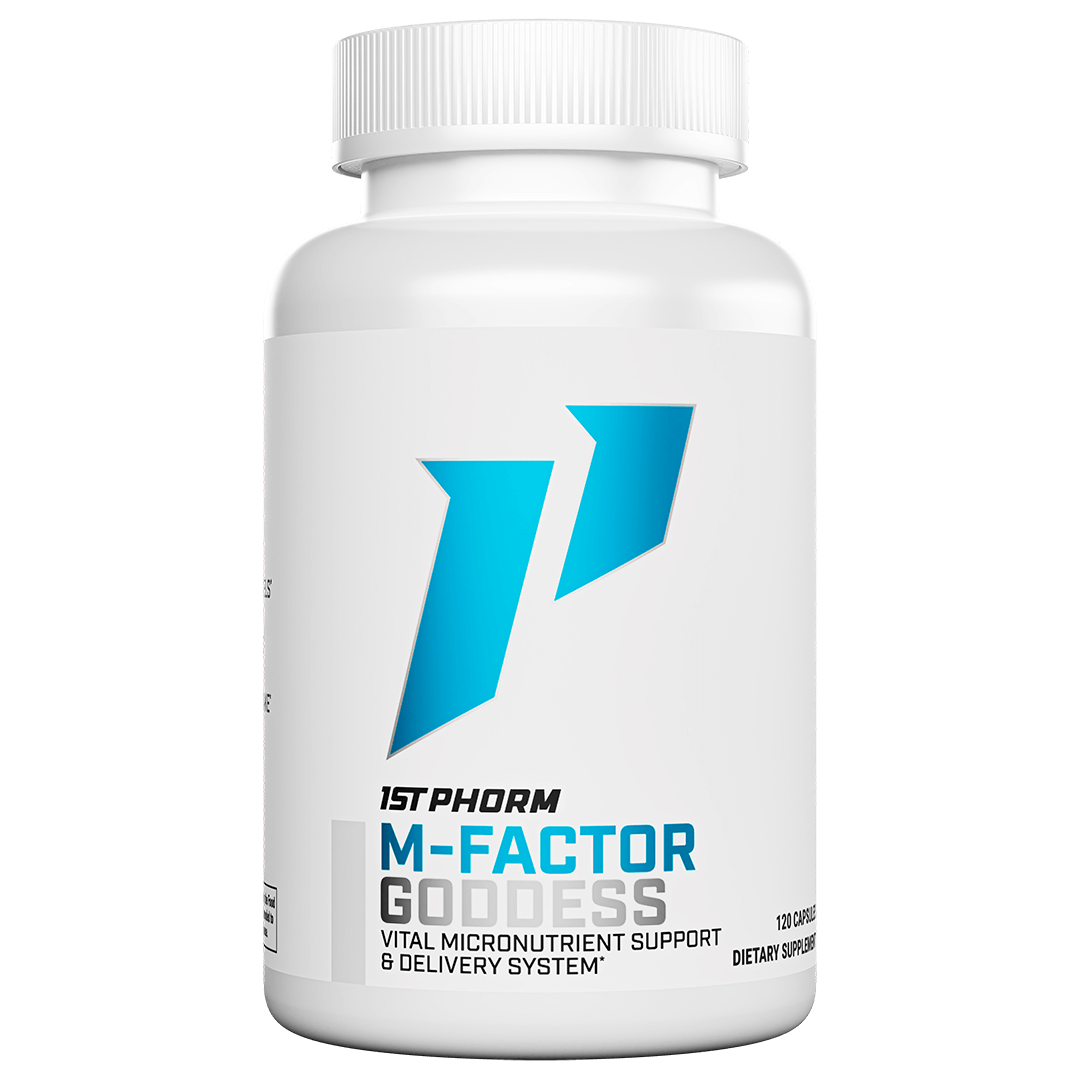
- Women’s multivitamin: A multivitamin specifically designed to support women's health after the age of 40 provides key nutrients like calcium, vitamins B6 and B12, and vitamin D. Depending on your individual needs and whether or not you’re menstruating, it may also contain iron and other nutrients to help fill nutritional gaps during this transition. M-Factor Goddess is built around the nutrients women over 40 most often fall short on, with women-specific ratios of key vitamins and minerals.*
- Vitamin D + K2: Vitamin D and vitamin K2 are necessary for maintaining healthy bones. Low levels of nutrients like vitamin D and calcium are consistently associated with lower bone mineral density, and maintaining adequate intakes helps support bone health through this stage.*
- Magnesium: Magnesium is a mineral that’s needed for healthy stress response, blood pressure and blood sugar regulation, and restful sleep among many other important processes. Taking a magnesium supplement may support better sleep, blood pressure and blood sugar control, and stress regulation.
- Omega-3: Omega-3 fats play essential roles in heart, brain, and immune health and help support a healthy inflammatory response. If you don't regularly eat fish or other seafood, an omega-3 supplement can help you meet your daily needs and support overall health.
- Protein: Protein supplements, like protein powders and collagen peptides, can help you increase your daily protein intake. Prioritizing high-quality protein sources helps support muscle health after 40.
- Protecting Muscle and Bone: Protein, creatine, calcium, vitamin D, and strength training together provide the strongest support for muscle and bone after 40.
Protein and strength training
Protein plays an important role in maintaining strong bones and muscle as women age.
Research suggests that consuming more than the current RDA of 0.8 grams of protein per kilogram of body weight is associated with better bone mineral density in older adults. Because of this, many experts recommend aiming for 1.2 grams of protein per kilogram of body weight per day or more to support healthy aging.
A protein supplement, such as whey protein powder, can make it easier to meet your daily protein needs and can improve muscle health. Research suggests that whey protein is especially beneficial for adults over 40, helping to increase muscle mass and strength when combined with regular resistance training.
A high-protein diet paired with a resistance training routine is also effective for improving bone mineral density.
Calcium and vitamin D
Bone density declines gradually with age, but the pace changes as you move through the menopause transition. Estrogen helps maintain bone, and as levels fall, bone loss speeds up most in the later stretch of perimenopause and the first few years after.
Calcium, vitamin D, and vitamin K2 all help support bone health and healthy calcium metabolism.* Low intakes of vitamin D and calcium are consistently associated with lower bone mineral density and may trigger or worsen osteopenia and osteoporosis.
Increasing intake of calcium-rich foods and taking a vitamin D supplement with K2 can help you maintain healthy bones as you age. K2 helps regulate calcium metabolism and supports healthy calcium distribution in the body. Some research suggests that combining vitamin D and K2 may support bone health, although more research is needed to determine the full benefits.
Creatine
Creatine helps your body produce adenosine triphosphate (ATP), the primary source of energy your muscles use during high-intensity exercise.
Because of this, creatine supplementation can improve muscle strength, power, and exercise performance, especially when combined with resistance training. For a deeper look at dosing and timing, see our guide to creatine for women over 40.
For women over 40, creatine may also help preserve lean muscle mass and support healthy aging. Emerging research suggests it may have benefits for bone health as well, though more studies are needed. Since women naturally have lower creatine stores than men and also tend to consume less dietary creatine, supplements can be helpful.
Support for the Hormonal Transition
Many women over 40 are entering perimenopause, where magnesium, sleep support, and some traditional botanicals may help. Keep expectations realistic.
Perimenopause basics
Perimenopause is the transition leading up to menopause that typically begins in a woman's 40s and typically lasts four to seven years, though it can stretch to 14.
During this time, declining estrogen and progesterone levels can trigger a variety of symptoms such as irregular periods, hot flashes, night sweats, sleep disturbances, mood changes, weight gain, muscle aches, and changes in sex drive that can significantly impact quality of life as well as physical and mental health.
While hormone replacement therapy (HRT) is the most effective treatment for perimenopausal symptoms, lifestyle changes and targeted supplements may also help manage certain symptoms while supporting overall health.
Targeted support during the transition
Every woman's perimenopause is different, and the evidence for botanicals is genuinely mixed, but some options have more behind them than others.
Ashwagandha and Chasteberry have been studied for stress and cycle-related symptoms, respectively, with studies showing they help manage menopausal symptoms.*
Keep expectations realistic: these tend to produce modest changes over weeks, not dramatic ones overnight, and the research base is smaller than for the foundational nutrients above. If you're in this stage and want the full picture, our guide to perimenopause supplements goes deeper on what's worth trying and what to skip.
Magnesium is worth calling out separately here, since it does double duty. It supports sleep and a healthy stress response, both of which commonly get disrupted during this stage.
And the unglamorous levers still matter most. Consistent sleep, regular strength training, adequate protein, and a real stress-management practice will move the needle more than any single supplement.
Energy, Sleep, and Stress
Energy, sleep, and stress often shift after 40, making nutrients like magnesium and B vitamins especially important.
Magnesium supports healthy sleep and a balanced stress response by helping regulate neurotransmitters and cortisol levels, and research suggests it may improve sleep quality while reducing symptoms of insomnia, anxiety, and stress.
B vitamins, particularly vitamin B12, are essential for energy production, and because B12 absorption can decline with age, some women over 40 may benefit from supplementation.
Having a solid nighttime routine and practicing sleep hygiene, such as avoiding phone use before bed and sleeping in a dark, cool room, may also help you get a better night's rest.
How to Choose Quality (and Avoid Over-Supplementing)
Focus on a quality foundation with transparent dosing and third-party testing rather than stacking many single-ingredient pills.
Quality checklist
When choosing the best supplements for women over 40, it’s important to consider:
- Transparent dosing: Whenever possible, choose supplements that clearly list their ingredients, including nutrient forms, as well as dosages.
- Third-party testing: Look for supplements that have been independently tested by third-party labs for quality and purity.
- Safe and honest claims: Avoid supplements that make claims about curing diseases or eliminating specific symptoms. Instead, look for products with research-backed ingredients and realistic benefits.
- Appropriate dosing: When it comes to supplements, more isn't always better. Taking very high doses of certain vitamins and minerals is usually unnecessary and may even be potentially harmful.
If you’re unsure which supplements are right for you or whether supplementation fits your health needs, talk with your healthcare provider. They can help answer your questions and guide you toward choices that best support your goals.
Conclusion
Because women’s nutritional needs can shift after 40, prioritizing a nutrient-dense diet and supplementing with targeted products can help support energy, muscle health, bone strength, and overall wellness. What changes is the emphasis: protecting muscle and bone moves to the top of the list, which means protein and creatine alongside strength training. And if you're moving into perimenopause, a few targeted additions may help, layered onto that foundation, not replacing it.
A high-quality women’s multivitamin, like M-Factor Goddess, is designed specifically for women over 40 and provides key vitamins and minerals to help support overall health, energy, and wellness during this stage of life.
You can see the full range of 1st Phorm women's multivitamins to find the fit for where you are right now.
Frequently Asked Questions
What supplements should women over 40 take?
Though every woman’s needs are different, many women over 40 may benefit from a women’s multivitamin, vitamin D3 with K2, magnesium, omega-3s, and protein supplements.
Should women over 40 take creatine?
Creatine may be beneficial for women over 40, especially when combined with resistance training. Studies show that creatine can support muscle strength and may also offer bone health benefits.
Do women over 40 need more vitamin D?
Many women over 40 may need to take supplemental vitamin D, as vitamin D deficiency is common among women. Ask your doctor to test your vitamin D levels to assess your specific needs.
What is the best multivitamin for women over 40?
The best multivitamin for women over 40 provides key nutrients like B12, magnesium, and vitamin D in amounts tailored to women's unique needs.
What supplements help with perimenopause?
Supplements that may support women during perimenopause include vitamin D, calcium, magnesium, omega-3 fatty acids, protein, and B vitamins. A comprehensive women’s multivitamin is a good place to start.
*These statements have not been evaluated by the Food and Drug Administration. This product is not intended to diagnose, treat, cure, or prevent any disease.