Perimenopause affects every woman differently. For some, it can lead to significant symptoms like sleep disturbances, mood changes, and hot flashes that can impact overall health and quality of life.
Fortunately, diet and lifestyle changes, hormone replacement therapy, and certain perimenopause supplements may help make this transition easier.
Here’s what to know.
Key Takeaways
- Perimenopause is a natural transition. Supplements may help support energy, sleep, mood, and bone health, but they don’t treat the underlying hormonal changes of menopause.
- Start with foundations: a women’s multivitamin, vitamin D (with K2), magnesium, omega-3, and enough protein.
- Strength training plus protein and calcium/D support muscle and bone during the transition.
- Some botanicals (like red clover) are traditionally used for the transition; evidence is mixed, so set realistic expectations.
- Talk to your provider before starting, especially if you take medication or are considering hormone therapy.
As always, consult with your healthcare provider before starting any new supplement or nutrition program, especially if you are pregnant, nursing, taking medication, or have a medical condition
Table of contents
- What Is Perimenopause?
- Foundational Supplements for Perimenopause
- Supporting Bone and Muscle During this Transition
- Botanicals Traditionally Used in Perimenopause
- Sleep, Mood, and Stress Support
- When to Talk to Your Healthcare Provider
What Is Perimenopause?
Perimenopause is the transitional period leading up to menopause. During this time, ovarian function gradually declines, resulting in decreased production of the hormones estrogen and progesterone. These hormonal shifts can affect nearly every system in the body, often causing changes in menstrual cycles, sleep, mood, energy levels, and overall well-being.
Common changes women notice
Perimenopause, which typically begins in a woman's 40s and can last anywhere from 4 to 14 years, is one of the most misunderstood stages of a woman's life.
The natural decline in estrogen and progesterone that happens during perimenopause can lead to significant symptoms in many women, from insomnia to anxiety and depression.
Though every woman’s experience is different, the most common symptoms experienced during perimenopause include:
- Changes in menstrual cycle, including heavy bleeding
- Anxiety and depression
- Weight gain
- Changes in sex drive
- Muscle aches
- Insomnia
- Hot flashes
- Night sweats
In at least 20 percent of women, these symptoms significantly impact their quality of life.
Why nutrition is so important
During perimenopause, changes in estrogen and progesterone levels impact your metabolism, muscle mass, and bone density, making staying on top of nutrition especially important during this stage of life.
Studies show that during perimenopause, eating enough protein and prioritizing nutrients like calcium and vitamin D may help preserve lean muscle mass and bone density and help you maintain a healthy body weight.
Shifts in estrogen and progesterone also impact your metabolism, appetite, and insulin levels, which can lead to weight gain and changes in body fat levels. Focusing on protein and fiber, which help you feel fuller after eating, may help you maintain a healthier body composition during perimenopause.
Foundational Supplements for Perimenopause
The most reliable starting point is foundational support: a women's multivitamin, vitamin D with K2, magnesium, omega-3, and adequate protein.
Although overall calorie needs may decrease with age, certain nutrient needs become especially important during perimenopause. Targeted supplementation with nutrients that support women's health during aging, such as magnesium, vitamin D, B vitamins, omega-3 fatty acids, and protein, can help support overall health and may help you feel more like yourself through this transition.*
Plus, women over the age of 50 have increased needs for certain nutrients, like calcium and B vitamins, and are at a higher risk for developing deficiencies in certain nutrients, including B6, vitamin D, and B12.
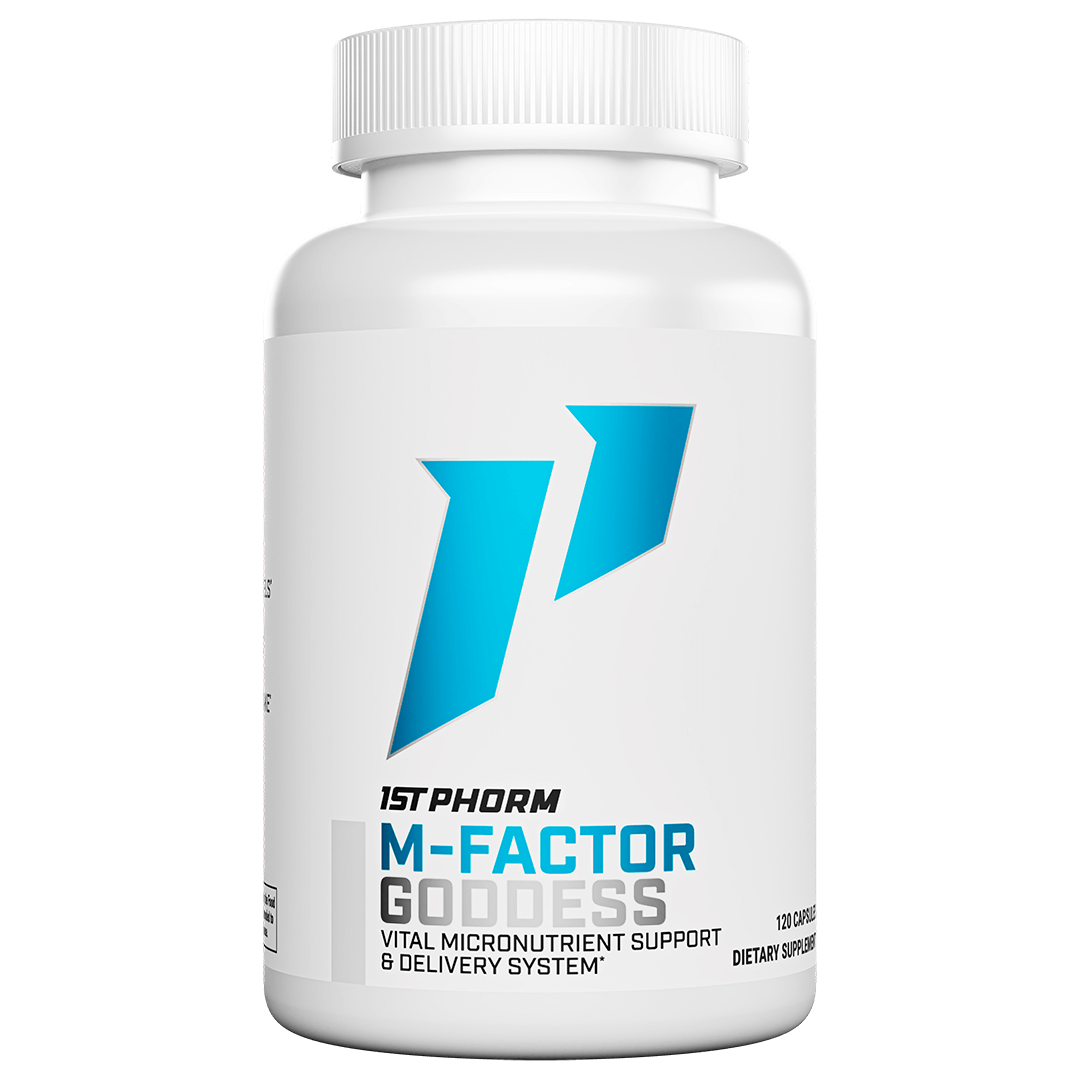
- Women’s multivitamin: A multivitamin specifically designed to support women's health during perimenopause can provide key nutrients like calcium, vitamins B6 and B12, and vitamin D. Depending on your individual needs and whether or not you’re menstruating, it may also contain iron and other nutrients to help fill nutritional gaps during this transition. M-Factor Goddess pairs women-specific micronutrient ratios with a Goddess Health Complex designed around the changes women notice through the perimenopausal transition.*
- Vitamin D + K2: Vitamin D is essential for bone and immune health. While vitamin D helps your body absorb calcium, vitamin K2 helps regulate calcium metabolism and may support healthy calcium distribution in the body. Research suggests that combining vitamins D and K may offer greater benefits for bone and heart health than vitamin D alone.
- Magnesium: Magnesium is essential for healthy stress response, blood sugar and blood pressure regulation, and many more critical processes. Supplementing with magnesium may support more restful sleep, calm stress, and support healthy glucose metabolism and blood pressure control.
- Omega-3: Omega-3 fats help support heart, brain, and immune health, and play a role in the body's normal inflammatory response.* Omega-3 supplements are especially important for women who don’t consume seafood.
- Protein: Protein supplements, like collagen peptides and protein powders, can make it easier to hit your daily protein goals. Getting enough protein helps support muscle and bone health through perimenopause and menopause.*
- B vitamins: B vitamin deficiencies are more common in older adults, including women over 50. Taking a B-complex vitamin can help protect against deficiencies.
Supporting Bone and Muscle During this Transition
Supporting the health of your bones and muscles is important throughout your lifetime, but becomes especially critical during perimenopause. Taking in optimal calcium, vitamin D, and protein, while incorporating strength training into your routine, provides the best support.
Calcium and vitamin D
Bone disorders, such as osteopenia, or low bone mass, and osteoporosis, a condition characterized by weak and brittle bones, are more common in women and become increasingly prevalent with age.
Estrogen plays an important role in bone health, and as estrogen levels decline during perimenopause, bone loss can accelerate.
Calcium, vitamin D, and vitamin K2 are all necessary for maintaining healthy bones. Conditions such as osteopenia and osteoporosis are influenced by nutrient deficiencies, including low levels of vitamin D and calcium.
Maintaining optimal levels of these nutrients, which may require supplementation for some people, is especially important during perimenopause.
Protein and strength training
In addition to prioritizing certain vitamins and minerals, increasing protein intake and adding strength training into your routine can support bone health and protect against bone loss.
Research suggests that higher protein intakes above the current RDA of 0.8 grams per kilogram of body weight support bone health by improving bone mineral density and reducing fracture risk in older adults.*
This is why many experts recommend a protein intake of 1.2 grams of protein per kilogram of body weight per day or more for older adults.
A high protein diet paired with a resistance training routine is especially effective for improving bone mineral density.
If getting to the gym is the part you struggle with, our guide to training support for women covers what actually helps with energy and focus before a session.
Botanicals Traditionally Used in Perimenopause
Certain botanicals, such as red clover and dong quai, may help ease some perimenopause symptoms. However, research is mixed.
Red clover
Red clover is a botanical supplement that contains isoflavones, plant compounds that can interact with estrogen receptors in the body and may help reduce certain perimenopause symptoms, such as hot flashes.
A 2021 review found that red clover isoflavone supplements were associated with a moderate reduction in the daily frequency of hot flashes in peri- and post-menopausal women. However, more research is needed to confirm these findings.
Dong quai
Dong quai is a root commonly used in Traditional Chinese Medicine and is often promoted as a natural treatment for perimenopausal and menopausal symptoms, including hot flashes. However, evidence on its effectiveness is mixed.
Sleep, Mood, and Stress Support
Magnesium and adaptogens may help improve sleep and support a healthy stress response during perimenopause, when sleep and mood often shift.
Magnesium and Adaptogens
Magnesium plays an important role in stress regulation and sleep by supporting neurotransmitters like gamma-aminobutyric acid (GABA) and helping regulate melatonin production. Maintaining adequate magnesium levels may also support a healthy stress response by helping regulate cortisol, the body’s primary stress hormone.
Research shows that supplementing with magnesium may improve sleep quality and help ease occasional stress. If you want the fuller picture on forms, timing, and dosing, we've covered the benefits of magnesium in depth.
Certain adaptogens, such as ashwagandha, may also support stress management and sleep. Reviews have found that ashwagandha supplementation may modestly improve sleep quality and significantly reduce stress and anxiety symptoms compared with placebo treatments.
When to Talk to Your Healthcare Provider
Talk to your provider before starting new supplements, especially if you take medication, have a health condition, or are considering taking hormone therapy.
Medication interactions
Certain supplements that are popular among women going through perimenopause, like soy isoflavones, red clover, and black cohosh, may interact with common medications, such as blood thinners, cancer medications, and antidepressants.
If you’re taking one or more medications, talk to your doctor before starting a new supplement.
Considering hormone therapy
If you’re experiencing significant perimenopausal symptoms, talk with your healthcare provider about whether hormone replacement therapy (HRT) may be right for you.
Conclusion
Perimenopause can lead to symptoms that significantly impact your emotional and physical well-being. Fortunately, supporting your body with key nutrients, healthy lifestyle habits, and targeted supplements can help you navigate this stage of life with confidence.
Alongside guidance from your healthcare provider, prioritizing nutrients like protein, calcium, vitamin D, magnesium, and omega-3s can support bone and muscle health, metabolism, sleep, and mood.
Try incorporating a women’s-specific multivitamin, like M-Factor Goddess, to help fill nutritional gaps and support you throughout your perimenopause transition.
FAQs
What supplements help with perimenopause?
Supplements that may support women during perimenopause include vitamin D, calcium, magnesium, omega-3 fatty acids, protein, and B vitamins. A comprehensive women’s multivitamin is a good place to start.
What is the best supplement for perimenopause?
There is no one best supplement for perimenopause. Supplementation should be targeted and specific to your needs, dietary intake, and more.
Can supplements help with perimenopause symptoms?
Yes, certain supplements may help with perimenopause symptoms like occasional stress and sleep issues.
What vitamins should women take in their 40s?
Though there is no general recommendation for supplementation in your 40s, many women may benefit from supplemental B vitamins, magnesium, and vitamin D.
Does magnesium help with perimenopause?
Magnesium supports your health throughout every stage of life, including perimenopause by regulating sleep, stress, blood sugar, and blood pressure.
Is red clover good for perimenopause?
Red clover may help reduce symptoms like hot flashes, but research is mixed and more studies are needed to confirm its benefits.
Should I take a multivitamin during perimenopause?
A multivitamin isn’t necessary for everyone, but it can help fill nutritional gaps and support optimal nutrient levels, especially if you follow a limited diet or a diet low in nutrient-dense foods.