If you’re looking for the best supplements for stress, I want to start with a very important reality check: no supplement can eliminate stress or treat anxiety disorders. And if your stress is persistent, severe, or interfering with your daily life, I highly encourage you to get support from a qualified mental health professional.
With that out of the way, if you’re curious about some pretty nifty supplements that may help you catch curveballs with more ease, you’ve come to the right place. As a dietitian (raises hand), I’ll walk you through what the research actually says. So take a deep breath, set your stress aside for the next few minutes, and let’s dive in.
Key Takeaways
- For everyday stress, the best-supported supplements are adaptogens (ashwagandha, rhodiola), magnesium, and L-theanine.
- Stress supplements are intended to support occasional stress and relaxation and are not treatments for anxiety or any medical condition.
- Adaptogens may help support the body’s response to stress and healthy cortisol balance with consistent use.
- Sleep, movement, and breathing practices drive the biggest changes; supplements support those habits.
As always, consult with your healthcare provider before starting any new supplement or nutrition program, especially if you are pregnant, nursing, taking medication, or have a medical condition.
In This Article:
- How Supplements Can Support a Healthy Stress Response
- Adaptogens for Stress (Ashwagandha & Rhodiola)
- Magnesium and L-Theanine
- B-Vitamins and the Stress Connection
- Lifestyle Foundations That Supplements Support
- Safety and When to Talk to a Provider
How Supplements Can Support a Healthy Stress Response
Certain supplements may help support the body’s response to occasional stress and healthy cortisol balance. These supportive roles work best alongside healthy habits, not as treatments for anxiety.
Occasional Stress Vs. Anxiety
Picture yourself walking into a room where you’re about to give a presentation. Or imagine the split-second slam on the brakes to avoid a collision. Before you’ve had time to think clearly, your body is already responding. Palms sweaty, knees weak, and arms heavy…
Believe it or not, that’s your stress response doing exactly what it’s designed to do. In the short term, stress is a normal and helpful reaction that prepares your body to meet a challenge.
The concern is when stress becomes intense, frequent, or persistent enough to interfere with your daily life. And when stress becomes chronic, it can increase the risk of anxiety disorders and other mental health conditions.
The Cortisol Connection
Cortisol isn’t often called the “stress hormone” just because. It helps mobilize energy and prepare your body to respond to physical and emotional challenges.
Like many things in the body and life, it’s all about context. A temporary rise in cortisol is normal and to be expected. But when stress becomes chronic, elevated cortisol has been associated with poorer health outcomes.
Stress doesn’t affect just cortisol or one system in the body, though. That’s why the ingredients in stress supplements can look so different. Some have been studied for their effects on cortisol, while others may help support sleep or correct nutrient deficiencies that influence the body’s response to stress.
Adaptogens for Stress: Ashwagandha & Rhodiola
Adaptogens like ashwagandha and rhodiola are among the most studied herbs for supporting the body’s resilience to stress.
At a glance, the two most-studied adaptogens for stress:
- Ashwagandha: may help lower cortisol and support sleep; findings on perceived stress are mixed.
- Rhodiola: may help reduce mental fatigue and burnout and support focus during demanding periods.
Ashwagandha
Ashwagandha is one of the most well-studied supplements for stress.
To understand why, it helps to first understand what ashwagandha is. Ashwagandha is an herb described as an adaptogen, a plant compound thought to help the body adapt to stress. A 2022 review found that ashwagandha may help reduce perceived stress and anxiety.
That said, a 2025 meta-analysis found that while ashwagandha lowered cortisol levels, it didn’t significantly improve perceived stress scores. While those findings may seem conflicting, there’s more to the story: Even if ashwagandha doesn’t always change how stressed someone feels, lowering chronically high cortisol may still be beneficial.
A separate 2025 review also suggests ashwagandha may support overall well-being, including improved sleep quality, which could make it easier to navigate everyday stress.
Rhodiola
Like ashwagandha, rhodiola (Rhodiola rosea) is an adaptogenic herb commonly used to help the body cope with physical and mental stress.
A review suggests rhodiola may help reduce feelings of stress, mental fatigue, and burnout. It may also help you stay focused and maintain physical and mental performance during stressful periods, such as long work shifts, exams, or intense exercise.
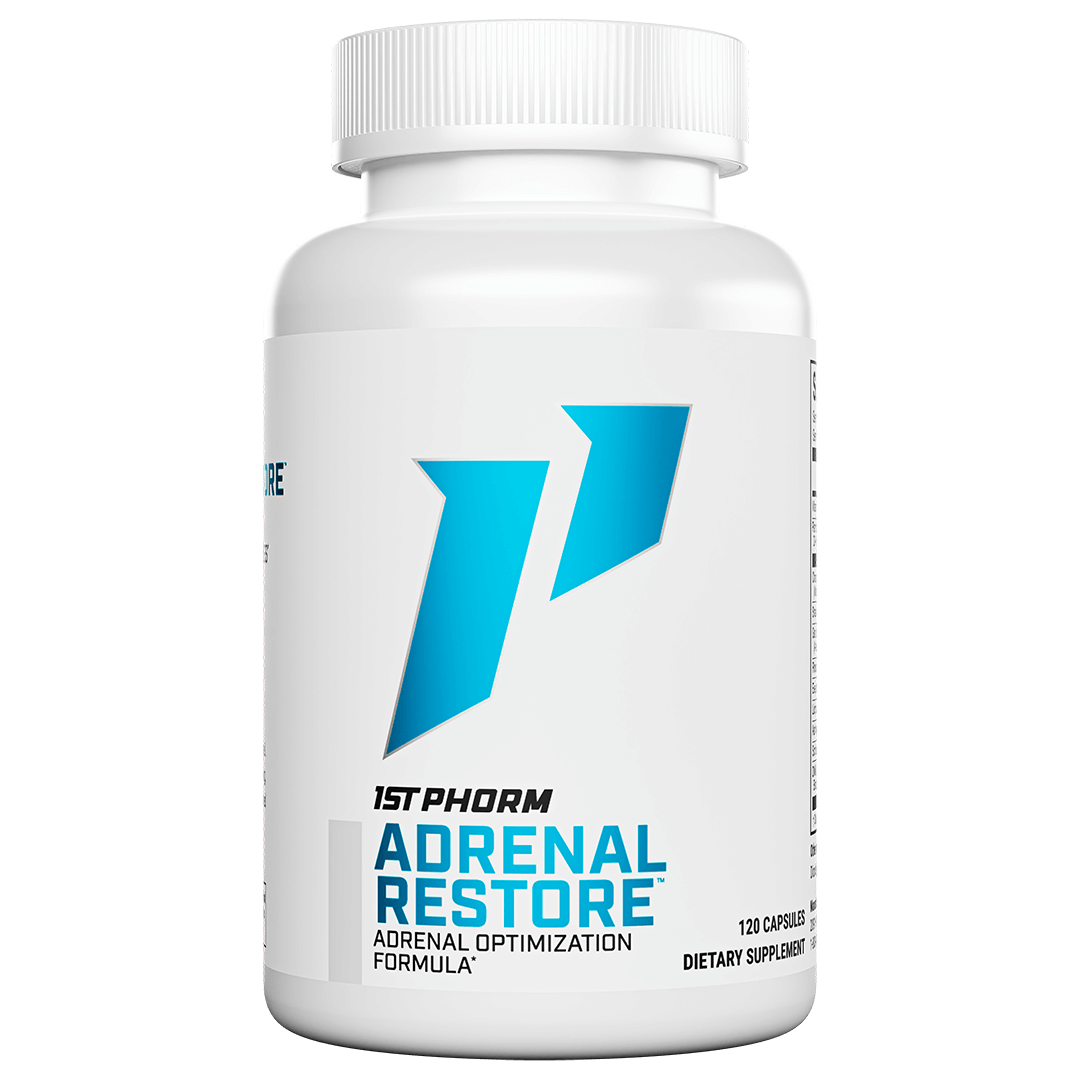
If you’re curious about these benefits, Adrenal Restore combines ashwagandha, rhodiola, and other adaptogenic herbs to support the body’s response to daily stress.*
Magnesium and L-Theanine
Magnesium supports relaxation and is easily depleted by stress, while L-theanine promotes a calm, focused state without causing drowsiness.
Magnesium for Relaxation
One of the lesser-known benefits of magnesium relates to stress. According to a review in Nutrients, the relationship appears to work both ways: chronic stress may increase magnesium losses, while low magnesium levels may make it harder for the body to cope with stress.
The same review found that magnesium supplements may reduce perceived stress, particularly in people with ongoing stress or low magnesium levels. One study also found that adding vitamin B6 provided additional benefits for participants with severe stress, although more research is needed to determine whether the combination is more effective than magnesium alone.
If you’re already getting enough magnesium, you may not notice any changes in your stress levels. However, meeting your magnesium needs through food or supplements (when appropriate) may support how you respond to stress.
L-Theanine for Calm Focus
L-theanine is an amino acid that’s naturally found in green tea leaves. It’s one of the better-studied supplements for supporting people dealing with everyday stress, and the research is encouraging.
A systematic review suggests that L-theanine may help reduce stress and anxiety during stressful situations. In another four-week clinical trial, healthy adults taking L-theanine also reported lower stress and anxiety, better sleep quality, and improvements in certain aspects of cognitive function compared with those taking a placebo.
One of my favorite things about L-theanine, and something I’ve noticed myself, is that it helps me feel more relaxed without making me feel groggy. Unlike many sleep aids, it doesn’t cause drowsiness, so it can be taken at any time of day. And if stress has your brain replaying tomorrow’s to-do list the second your head hits the pillow, that calming effect may also help you drift into a better night’s sleep.
B Vitamins and the Stress Connection
B vitamins help keep your brain and nervous system functioning normally and help regulate mood. That’s one reason they’re commonly included in supplements designed to support stress.
Why B Vitamins Matter
B vitamins are essential for normal brain and nervous system functioning. They help produce neurotransmitters like dopamine and serotonin, which regulate mood and influence our stress response.
Because of these roles, researchers have explored whether B vitamins may also help people better cope with stress. A systematic review found that supplements containing multiple B vitamins can reduce perceived stress. However, many of those studies used multivitamin formulas, making it difficult to know whether the benefits came from the B vitamins themselves or the combination of nutrients.
More recently, a clinical trial found that vitamins B1 and B2 reduced perceived stress and improved sleep quality, although they did not reduce anxiety.
Where They Fit
While B-vitamin supplements may help reduce perceived stress, researchers still don’t know who benefits most. Because most study participants were not deficient in B vitamins, it's possible that supplementation may have a greater effect in people with low B-vitamin status.
Lifestyle Foundations That Supplements Support
Sleep, regular movement, and breathing practices have the biggest impact on stress, and supplements work best layered on top of these foundations.
Sleep and Stress
Have you ever had an atrocious night’s sleep and found yourself irritated by the tiniest (and pettiest) things the next day? Maybe someone chewed too loudly or you hit a few red lights on the way to work.
It happens to all of us, and there’s a physiological reason for it.
Stress and sleep have a two-way relationship. Stress can make it harder to fall or stay asleep, while poor sleep can make you feel more stressed the next day. Even one night of sleep deprivation can increase perceived stress and other emotional states, such as fatigue and confusion.
Movement and Breathing
There’s a reason you might’ve been told to just “take a deep breath” or walk it off when stressed.
Research suggests that self-help practices such as regular physical activity, mindfulness meditation, and slow breathing can help reduce perceived stress and improve overall well-being. A meta-analysis also found that breathwork can modestly reduce perceived stress compared with not practicing it.
You don’t need an over-the-top, hour-long practice, either. Breathing practices can be effective when sessions last at least five minutes, are practiced consistently over time, and include guided instruction, especially when you’re first getting started.
Safety and When to Talk to a Provider
Adaptogens, L-theanine, and other stress supplements are generally well tolerated. Talk with your healthcare provider before taking them if you’re pregnant or breastfeeding, take medication, have a medical condition, or if stress interferes with your daily life.
Tolerability
Many of the best-studied stress supplements appear to be well tolerated in healthy adults. Before adding any supplement to your routine, it’s worth taking a quick look at its safety profile. While most research has lasted just a few weeks to a few months, one 12-month study found that a standardized ashwagandha root extract was generally well tolerated.
Still, it’s important to talk with your doctor before taking a stress supplement if you:
- Take prescription medications, as some supplements may interact with them.
- Are pregnant or breastfeeding.
- Are considering giving supplements to a child.
- Have liver disease or another chronic medical condition.
- Develop new or worsening symptoms after starting a supplement.
And another quick aside: Supplements aren’t regulated as rigorously as prescription medications, so product quality and ingredient amounts can vary between brands. Look for products that have been third-party tested, and be cautious of proprietary blends that don't disclose individual ingredient amounts.
When to Seek Professional Help
Stress is a normal part of life, but it shouldn’t steer the ship.
It’s worth talking with your doctor or a mental health professional if you’ve been experiencing symptoms like the following on most days:
- Trouble sleeping
- Changes in your appetite or weight
- Difficulty concentrating
- Loss of interest in activities you typically enjoy
- Feeling persistently irritable, restless, or overwhelmed
- Difficulty keeping up with your usual daily responsibilities
Because while supplements may help support your response to everyday stress, they aren’t a substitute for professional care.
Conclusion: Best Supplements for Stress
No supplement can squash your stress, but some, including ashwagandha, L-theanine, magnesium, and certain B vitamins, may help support your body’s response to it. Just remember, these supplements work best when paired with healthy habits like deep breathing, regular movement, and quality sleep.
If you’re looking for additional support, Adrenal Restore combines several well-studied adaptogenic herbs into a single formula to support healthy stress responses. You can also explore our full 1st Phorm stress & hormone support collection to find the option that best fits your needs.
Most importantly, if stress is persistent, overwhelming, or interferes with your daily life, reach out to your doctor or another health professional for guidance. The right support can make the biggest difference.
FAQs
What supplements help with stress?
Ashwagandha, L-theanine, magnesium, and several other supplements have been studied for stress. Some have shown promising results, but the evidence isn’t strong for every ingredient, and what works well for one person may not work for another.
What is the best supplement for stress?
There isn’t a single “best” supplement for stress. However, ashwagandha has the largest body of research, with studies suggesting it may help reduce perceived stress and cortisol. L-theanine and magnesium also have strong evidence supporting their use, particularly for people experiencing mild to moderate stress or those with low magnesium levels.
Does ashwagandha help with stress?
Ashwagandha is one of the best-studied supplements for stress. Research suggests it may help lower cortisol levels and support sleep quality, although findings on perceived stress are mixed. Overall, the evidence suggests it may support the body’s response to stress in some people.
What vitamins are good for stress?
B vitamins are among the most studied vitamins for stress because they support normal brain and nervous system function and help produce neurotransmitters involved in mood regulation. Research suggests that B-vitamin supplements may help reduce perceived stress, although much of the evidence comes from multivitamin studies, making it difficult to isolate the effects of B vitamins alone. Their benefits may be greatest in people with low B-vitamin status.
Can supplements lower cortisol?
Some supplements like ashwagandha have been shown to lower cortisol levels in certain studies. However, the evidence is mixed, and changes in cortisol don’t always translate to feeling less stressed. Cortisol is an essential hormone, so the goal isn’t to lower it as much as possible but to support a healthy stress response.
How long do stress supplements take to work?
It depends on the supplement, but some studies report noticeable improvements within two weeks to months. Some supplements like L-theanine may produce short-term effects within hours, but meaningful changes in perceived stress, anxiety, or sleep typically take several weeks of consistent use.
*These statements have not been evaluated by the Food and Drug Administration. This product is not intended to diagnose, treat, cure, or prevent any disease.