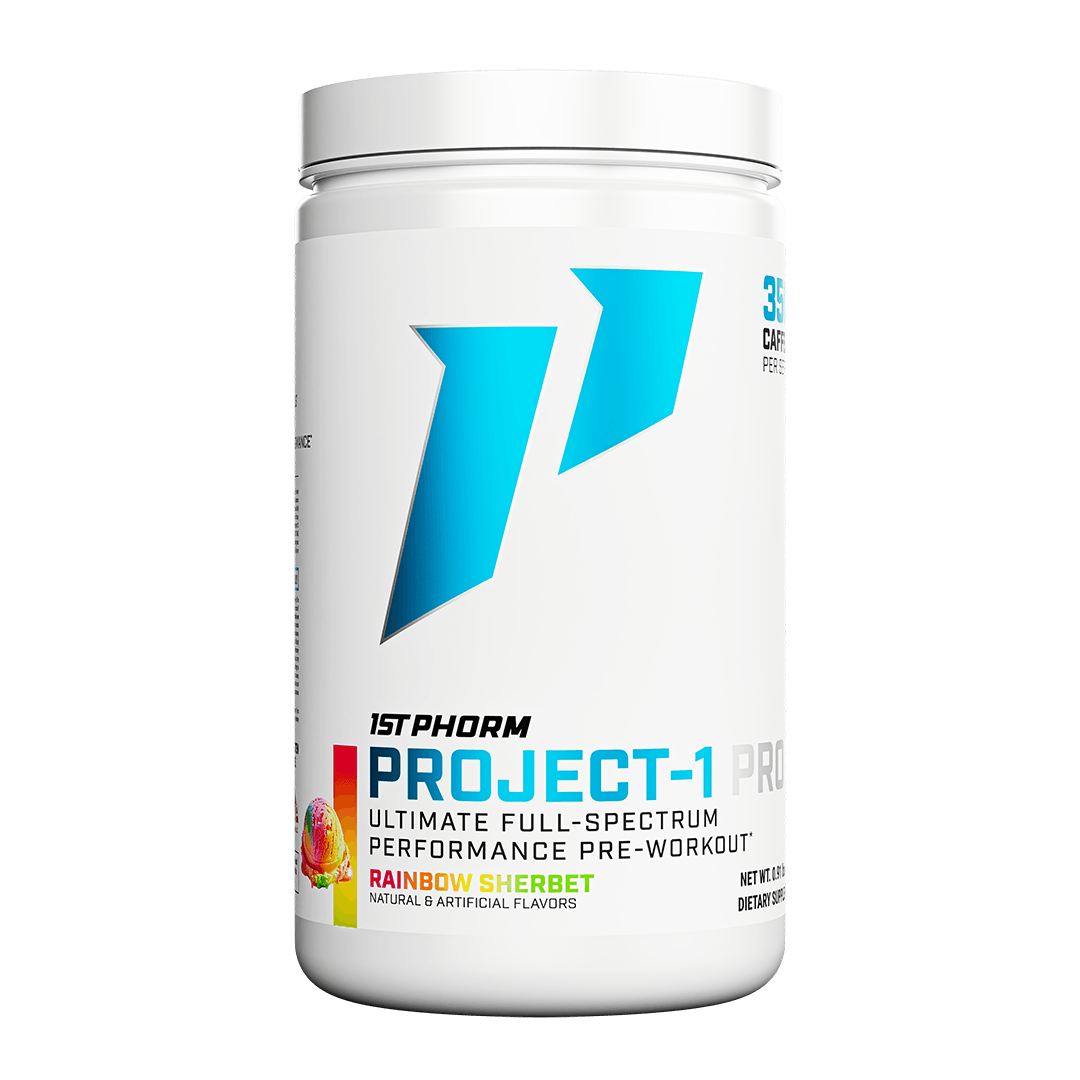
Caffeine anhydrous might sound like a complicated science term, but it’s actually quite simple. The term “anhydrous” means “without water,” so it’s just a dehydrated, concentrated form of caffeine often found in pre-workout formulas and other stimulant-containing supplements.
However, while it may seem like the equivalent to coffee, that’s not exactly the case. Most of us are intimately familiar with caffeine’s energetic and performance-enhancing effects. However, I’d wager most coffee drinkers and stim-friendly folks also know the downsides to consuming too much caffeine.
So, in this quick (but comprehensive) guide, I’ll break down the different caffeine anhydrous benefits, provide research-backed dosing recommendations, and address some common questions about side effects, tolerance levels, and safety concerns.
Key Takeaways
- Caffeine anhydrous is simply dehydrated, concentrated caffeine (the same molecule as in coffee), just in a precise, measurable powder form.
- It's well-researched for supporting energy, focus, endurance, strength performance, and reducing perceived exertion during training.*
- General guidance puts moderate caffeine intake around 400 mg per day for healthy adults, so make sure you know your total from all sources.
- Keep timing and tolerance in mind, as late-day caffeine can disrupt sleep, and sensitivity varies from person to person. Talk to your healthcare provider before use if you're pregnant or have a medical condition.
As always, consult with your healthcare provider before starting any new supplement or nutrition program, especially if you are pregnant, nursing, taking medication, or have a medical condition.
Table of Contents
- What Is Caffeine Anhydrous?
- Caffeine Anhydrous Benefits
- How Much Caffeine Anhydrous Is Safe?
- Side Effects, Timing, and Tolerance
- Who Should Limit or Avoid Caffeine
What Is Caffeine Anhydrous?
Caffeine anhydrous is caffeine that’s had its water removed, leaving behind a concentrated powder. Chemically, it’s the same caffeine as in coffee, but it’s just easier to dose precisely.
Anhydrous vs. coffee caffeine
Fundamentally, anhydrous caffeine and the caffeine in your coffee are no different. After all, caffeine is a natural substance found in the leaves of certain plants, with Coffea arabica being the primary source for the caffeine found in coffee.
To put it in perspective, a 150-milligram serving of caffeine anhydrous provides the same caffeine molecule as approximately 150 mg of caffeine obtained from coffee.
However, determining just how much caffeine is actually in your morning cup of joe is quite difficult. The content varies based on a number of factors, including the type of bean, brewing method, serving size, and preparation. Plus, coffee contains a range of other naturally occurring compounds beyond caffeine.
On the other hand, anhydrous caffeine doesn’t have such a broad chemical profile. It’s simply a purified form that’s had all its other components and water filtered out. What you're left with is a white, concentrated powder.
Why supplements use it
Manufacturers often use caffeine anhydrous because it’s a concentrated, shelf-stable stimulant that’s easy to dose consistently. As a result, it’s a common ingredient in pre-workout powders, caffeine capsules, sports gels and chews, energy drinks, and other stim-based supplements.
For the consumer, it’s convenient to know exactly how much caffeine is in one serving of a particular product. General guidance places moderate intake around 400 mg per day for healthy adults (1). So, not only can the consumer keep an accurate track of their caffeine intake, but the manufacturer can also provide a standardized amount.
Caffeine Anhydrous Benefits
Caffeine anhydrous is well-researched for supporting energy, focus, endurance, and strength, and for reducing how hard a given effort feels. I can speak to several of those anecdotally, but I’ll also back it up with science, too.
Research supports caffeine anhydrous for:
- Alertness and focus: improved attention and reaction time at low to moderate doses
- Endurance: the most consistent performance benefit, per the ISSN
- Muscular strength and power: small but measurable advantages
- Perceived exertion: a given effort feels easier, so you can hold pace or squeeze out reps
Energy and focus
It’s no secret that caffeine is one of the first solutions that comes to mind when you need to ramp up and lock in. Whether that’s brewing a cup of coffee to start your morning or downing a shaker cup full of your favorite pre-workout before you get a pump, it’s a time-tested tradition to turn to caffeine for a supportive boost.
Research shows low to moderate doses of caffeine (40-300 mg) can help improve alertness, attention, and reaction time (2). That can be particularly useful if you like to train in the morning, when you might not exactly feel your sharpest getting out of bed. However, don’t think that relying on a supplement can replace proper sleep habits.
Endurance and strength
Whether you’re a recreational runner or a professional powerlifter, caffeine can be a helpful sidekick when it comes to your performance. According to the International Society of Sports Nutrition (ISSN), caffeine can improve muscular strength and endurance, movement velocity, sprinting, jumping, and throwing performance, and other aerobic and anaerobic sport-specific actions (3).
Clearly, that covers just about all your bases. If you’re a runner or cyclist, you’re in luck. According to the ISSN, aerobic endurance appears to be the form of exercise with the most consistent and impactful benefits from caffeine use. Meanwhile, energy drinks and pre-workout supplements, which typically contain caffeine anhydrous, have been demonstrated to enhance both aerobic and anaerobic performance (think explosive movements like sprints and power cleans).
From a strength-building perspective, caffeine isn’t some magical way to pack on muscle or put up PRs. However, it may provide a small performance advantage by helping you feel more energized heading into your workout, or you may be able to maintain the proper bar speed across a set of bench presses.
Perceived exertion
Your rate of perceived exertion (RPE) is a subjective scale used to measure how hard a physical activity feels. Think of it as a way to gauge just how taxing something is on your central nervous system. If you’re able to somehow feel a little less gassed, though, you may be able to squeeze out a few more reps or crank out an extra set.
That’s where caffeine can also lend a helping hand. A 2013 study found that participants who took caffeine before a 30-minute cycling bout reported significantly lower session RPE than they did on placebo (4). This RPE lowering effect can help you sustain a target pace on a rowing machine, pump out more reps, or even help you stay mentally engaged during difficult portions of a training session.
Anecdotally, I always feel like I don’t get quite as exhausted as quickly when I take my pre-workout (which contains caffeine, of course) as when I skip it. Again, there are many factors that go into a great workout performance, but caffeine has plenty of support.
How Much Caffeine Anhydrous Is Safe?
For most healthy adults, the general guideline is to limit your caffeine intake to 400 mg a day. It’s important to calculate the total from all sources.
General daily guidance
According to the FDA, 400 mg of total caffeine per day is the amount “not generally associated with negative effects,” but it’s important to note there’s wide variation in sensitivities (5). Don’t just assume all your caffeine comes from the two most obvious sources, either.
In addition to coffee and pre-workout supplements, make sure to account for:
- Tea
- Energy drinks and shots
- Soda
- Chocolate
- Sports gels and chews
- Certain medications
What you’ll realize is that you may be consuming more caffeine than you initially thought. After all, an 8 oz. cup of coffee contains about 95 mg of caffeine, and you and I know it’s easy to down a few of those without a second thought when you’ve got a lot of work to get done.
Also consider that certain products may contain blends or multiple sources of caffeine beyond caffeine anhydrous. That can be one of the major differences between preworkout vs. energy drinks, so always read the labels carefully.
Per-serving dosing in pre-workouts
Pre-workout supplements vary widely in terms of caffeine content per serving. Some formulas push the boundaries of that 400 mg daily recommendation, while other, more moderate options fall closer to the 100-150 mg mark.
Remember, the most important part is having the full picture of what you’re getting. You want a supplement label that shows the per-serving dosing clearly, along with a transparent ingredient list.
This also helps you plan your intake based on your schedule, since one of the most common questions is how long pre-workout lasts. While the exact duration varies by the ingredients and your individual metabolism, the effects of caffeine can linger for several hours, making timing an important consideration (especially if you work out later in the day).
If you train hard and tolerate caffeine well, a precisely dosed pre-workout like Project-1 Pro provides a consistent, measurable amount rather than guessing with coffee. Each serving contains 350 mg of caffeine, so be aware of your total intake for the day since this is on the higher end of the stim scale.
You can also check out other 1st Phorm pre-workout options that don’t deliver quite as much caffeine per serving.
Side Effects, Timing, and Tolerance
Too much or too-late caffeine can cause jitters, elevated heart rate, and disrupted sleep, and regular use builds tolerance. Ultimately, both timing and total dose matter.
Common side effects
If you’ve ever had that extra shot of espresso that you didn’t need, you’re probably familiar with one of the most common side effects of too much caffeine: jitters. That shaky feeling is not something you want to deal with at the office (or anywhere, really), so be mindful of your total intake.
Other common side effects include:
- Nervousness
- Restlessness
- Anxiety
- Increased heart rate
- Temporary increases in blood pressure
- Headache
- Dizziness
- Difficulty falling or staying asleep
- Nausea or digestive discomfort
Timing around sleep
Caffeine and sleep are a little bit like oil and water in that they don’t mix well. As a stimulant, caffeine does the exact opposite of a nighttime supplement, making late-day consumption a poor choice if you’re trying to get quality zzz’s.
Research shows caffeine can prolong the time it takes to fall asleep, reduce total sleep time by an average of 45 minutes, and decrease the amount of deep sleep (6). A good starting point is to avoid substantial caffeine consumption for at least six hours before bed, which is worth factoring in when you're deciding when to take pre-workout around an evening session.
It’s also important to follow a wind-down routine, and there are plenty of practical ways to improve your sleep.
Tolerance and cycling
Consistent caffeine use can cause your body to become less responsive to its effects. You may notice the same serving no longer provides that tangible energy boost or increased alertness.
Don’t worry, though. Tolerance doesn’t mean caffeine stops working altogether and you can’t experience its benefits again. Taking a short break or cutting back on your daily consumption can help reset your brain’s adenosine receptors.
Here are some ways you can adjust your routine:
- Reserve higher doses for important workouts
- Use a stimulant-free pre-workout like Endura-Formance for evening or night sessions
- Reduce your coffee or energy drink intake on non-training days
- Opt for sugar-free energy options to support overall health
- Address any sleep, nutrition, or recovery gaps
Be aware that abruptly stopping regular caffeine use can cause withdrawal symptoms such as headache, fatigue, irritability, and difficulty concentrating. You may feel that dreaded “caffeine crash,” making gradually decreasing your intake over several days a wiser strategy.
Who Should Limit or Avoid Caffeine
Those who are pregnant or nursing, caffeine-sensitive, or managing heart or anxiety conditions should limit caffeine intake and talk to a provider.
Sensitivity
Sensitivity varies widely. For example, one person may tolerate 400 mg with no issues, while someone else feels best at half that amount. Many factors influence your response to caffeine, including:
- Genetics
- Caffeine consumption habits
- Body size
- Age
- Liver function
- Smoking status
- Hormonal medications
- Over-the-counter medications
- Sleep quality
When to ask a provider
Women who are pregnant, trying to become pregnant, or breastfeeding should speak with a healthcare provider about caffeine before using any supplement that contains it. Guidance for pregnancy is more conservative than the general adult recommendation, and your provider can tell you what's appropriate for your situation. You should also consider doing so if you:
- Have high blood pressure, an arrhythmia, or another cardiovascular condition
- Experience unexplained heart palpitations, dizziness, or fainting
- Have diagnosed panic disorder
- Have chronic insomnia or another sleep disorder
- Have liver disease
- Take prescription stimulants
- Take medications that may interact with caffeine
Conclusion
Caffeine anhydrous is simply the formal way of describing the concentrated, water-free form of the same caffeine found naturally in coffee, tea, and other sources. However, because it's in a standardized format, it can be precisely measured for pre-workout supplements like Project-1 Pro, which contains 350 mg of caffeine per serving.
You don’t necessarily have to start with something that’s as high-stim as that, either. Project-1 delivers 200 mg of pure caffeine anhydrous per serving, making it a viable alternative if you’re trying to limit your overall intake. If that's more than you want, the rest of the 1st Phorm pre-workout lineup includes lower-stim and stimulant-free options that leave you more room in your daily total.
Ultimately, this is one of those cases where the choice is truly in your hands. And if you’re unsure, you can always reach out to a healthcare provider for some more guidance on just how much caffeine you should consume.
FAQs
What is caffeine anhydrous?
Caffeine anhydrous is dehydrated, concentrated caffeine that provides the same stimulant effects as the caffeine naturally found in coffee, tea, and other sources.Is caffeine anhydrous the same as caffeine?
Yes, caffeine anhydrous is the same caffeine molecule, but without water, making it a more concentrated and precisely measured ingredient.Is caffeine anhydrous safe?
Caffeine anhydrous is generally considered safe for most healthy adults when used as directed and consumed within recommended daily caffeine limits.How much caffeine anhydrous is too much?
For most healthy adults, regularly exceeding about 400 mg of total caffeine per day from all sources increases the likelihood of side effects such as jitters, anxiety, rapid heart rate, and sleep disruption.Is caffeine anhydrous better than coffee for working out?
Caffeine anhydrous isn't inherently better than coffee, but its precise dosing and convenience make it a popular choice in pre-workout supplements.Does caffeine anhydrous cause a crash?
Caffeine anhydrous itself doesn't directly cause a crash, but as its effects wear off, some people may experience fatigue or reduced alertness, especially after higher doses or inadequate sleep.
*These statements have not been evaluated by the Food and Drug Administration. This product is not intended to diagnose, treat, cure, or prevent any disease.
References
- Temple, J. L., Bernard, C., Lipshultz, S. E., Czachor, J. D., Westphal, J. A., & Mestre, M. A. (2017). The Safety of Ingested Caffeine: A Comprehensive Review. Frontiers in psychiatry, 8, 80. https://doi.org/10.3389/fpsyt.2017.00080
- McLellan, T. M., Caldwell, J. A., & Lieberman, H. R. (2016). A review of caffeine's effects on cognitive, physical and occupational performance. Neuroscience and biobehavioral reviews, 71, 294–312. https://doi.org/10.1016/j.neubiorev.2016.09.001
- Guest, N. S., VanDusseldorp, T. A., Nelson, M. T., Grgic, J., Schoenfeld, B. J., Jenkins, N. D. M., Arent, S. M., Antonio, J., Stout, J. R., Trexler, E. T., Smith-Ryan, A. E., Goldstein, E. R., Kalman, D. S., & Campbell, B. I. (2021). International society of sports nutrition position stand: caffeine and exercise performance. Journal of the International Society of Sports Nutrition, 18(1), 1. https://doi.org/10.1186/s12970-020-00383-4
- Killen, L. G., Green, J. M., O'Neal, E. K., McIntosh, J. R., Hornsby, J., & Coates, T. E. (2013). Effects of caffeine on session ratings of perceived exertion. European journal of applied physiology, 113(3), 721–727. https://doi.org/10.1007/s00421-012-2480-z
- U.S. Food and Drug Administration. (2024, December 18). Spilling the beans: How much caffeine is too much? https://www.fda.gov/consumers/consumer-updates/spilling-beans-how-much-caffeine-too-much
- Gardiner, C., Weakley, J., Burke, L. M., Roach, G. D., Sargent, C., Maniar, N., Townshend, A., & Halson, S. L. (2023). The effect of caffeine on subsequent sleep: A systematic review and meta-analysis. Sleep medicine reviews, 69, 101764. https://doi.org/10.1016/j.smrv.2023.101764